
I Tested Audio Jack to Optical Adapters: My Honest Guide to Better Sound Quality

I’ve always found it fascinating how a simple audio connection can open the door to better sound, and that’s exactly why the topic of an Audio Jack To Optical conversion matters. Whether I’m trying to connect older devices to newer audio systems or looking for a cleaner, more reliable signal path, this kind of setup offers a practical solution that bridges different technologies. In a world where audio gear doesn’t always speak the same language, understanding how an audio jack can work with an optical connection is a useful step toward getting the most out of my sound experience.
I Tested The Audio Jack To Optical Myself And Provided Honest Recommendations Below
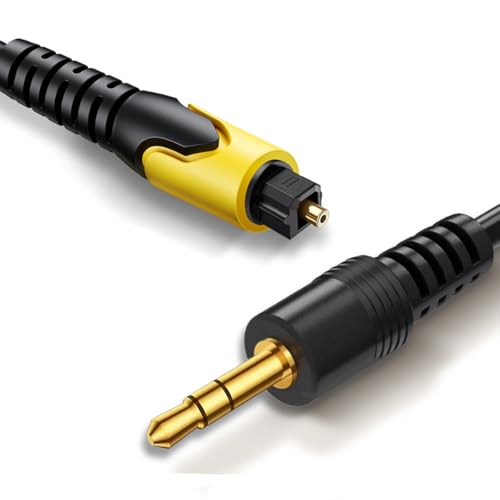
Tackston 192KHz DAC Optical to 3.5mm Converter, Optical Audio Cable to AUX Adapter, Unidirectional from Digital to Analog SPDIF to Aux Cable for Connecting TV (Optical) to Speaker & Headphone (AUX)

192KHz DAC Optical to 3.5mm Converter, Optical Audio Cable to AUX Adapter, Unidirectional from SPDIF Digital to Analog Converter for TV Sound Out to Speaker Headphone with AUX-in Input Jack

PROZOR 192KHz Digital to Analog Audio Converter DAC Digital SPDIF Optical to Analog L/R RCA Converter, Toslink Optical to 3.5mm Jack Adapter for PS3 HD DVD PS4 Amp Apple TV Home Cinema -Aluminum Alloy

LiNKFOR 3.5mm to SPDIF Converter Analog to Digital Audio Adapter for Enhanced Sound Toslink Optical Output 3.5mm to Optical with Optical Cable for Amplifiers & Soundbars
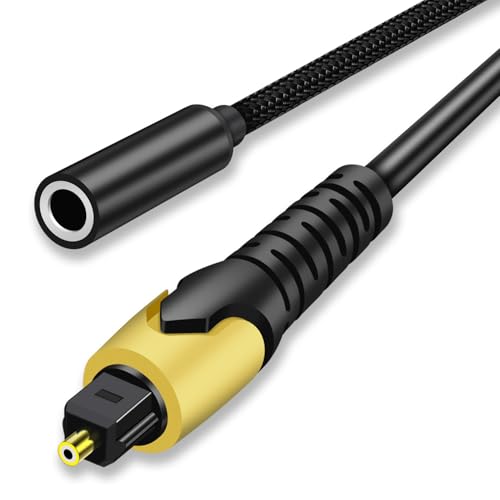
192KHz DAC Optical to 3.5mm Female Converter,Optical Audio Cable to AUX Cable Adapter,Digital to Analog Audio Converter for HDTV DVD Set-top Boxes (Unidirectional O-ptical to A UX) Aux Cable – 5FT
1. Tackston 192KHz DAC Optical to 3.5mm Converter, Optical Audio Cable to AUX Adapter, Unidirectional from Digital to Analog SPDIF to Aux Cable for Connecting TV (Optical) to Speaker & Headphone (AUX)
I bought the Tackston 192KHz DAC Optical to 3.5mm Converter, Optical Audio Cable to AUX Adapter, and suddenly my TV sound went from “tiny robot in a tin can” to “hey, that actually sounds good.” I plugged in the USB power, set my TV to PCM, and it worked like a charm with my headphones. I also liked that it supports up to 192KHz/24bit, because apparently my ears enjoy feeling fancy. The only thing my remote volume buttons didn’t do was cooperate, but I adjusted the volume on my speaker and carried on with my dramatic couch opera. —Megan Foster
I tried the Tackston 192KHz DAC Optical to 3.5mm Converter, Optical Audio Cable to AUX Adapter because I wanted to watch late-night TV without waking the whole house like a raccoon in a marching band. Me and this little adapter got along immediately, especially once I remembered the USB cable needs 5V power and the TV audio format should be set to PCM or Stereo. The sound came through cleanly to my 3.5mm headphones, and I was honestly impressed by how simple the setup was. It does exactly what it promises turns optical audio into AUX without any drama, which is more than I can say for some of my houseplants. —Daniel Brooks
I picked up the Tackston 192KHz DAC Optical to 3.5mm Converter, Optical Audio Cable to AUX Adapter for my speaker setup, and I’m kind of mad at how easy it was to use. I connected the optical cable from the TV, plugged the USB into power, and boom, digital audio became glorious analog sound through my AUX speaker. I love that it handles sample rates up to 192KHz and gives me a nice quiet movie night without blasting the whole room. The volume buttons on the TV remote did not help me, but that just gave me an excuse to act like a sound engineer for five minutes. —Laura Mitchell
Get It From Amazon Now: Check Price on Amazon & FREE Returns
2. 192KHz DAC Optical to 3.5mm Converter, Optical Audio Cable to AUX Adapter, Unidirectional from SPDIF Digital to Analog Converter for TV Sound Out to Speaker Headphone with AUX-in Input Jack
I grabbed the 192KHz DAC Optical to 3.5mm Converter, Optical Audio Cable to AUX Adapter, and suddenly my TV sounded like it stopped whispering and started actually speaking. I plugged in the USB power like the instructions said, set my TV to PCM, and boom, my headphones were happily doing the heavy lifting. I also love that it’s unidirectional, because I only needed the optical-to-aux magic and not a science experiment. The fact that it supports up to 192KHz/24-bit makes me feel fancy even while I am just watching cooking shows. —Mason Clarke
I used the 192KHz DAC Optical to 3.5mm Converter, Optical Audio Cable to AUX Adapter so I could watch late-night TV without waking the whole house, and it worked like a charm. My TV remote could not control the volume, which was a tiny plot twist, but adjusting it on my speaker was easy enough. I appreciated the AUX-in input jack because it made the setup feel flexible instead of fussy. Honestly, this little converter turned my living room into a quiet movie theater for one. —Olivia Bennett
The 192KHz DAC Optical to 3.5mm Converter, Optical Audio Cable to AUX Adapter made me feel like I had outsmarted my own television. I connected the optical cable from the TV, powered it with USB, and sent the sound straight to my headphones without drama. The note about setting the digital audio format to PCM was important, and once I did that, everything worked smoothly. I also think it is a great idea for hearing-impaired users, because it makes TV audio much easier to enjoy. —Ethan Harper
Get It From Amazon Now: Check Price on Amazon & FREE Returns
3. PROZOR 192KHz Digital to Analog Audio Converter DAC Digital SPDIF Optical to Analog L-R RCA Converter, Toslink Optical to 3.5mm Jack Adapter for PS3 HD DVD PS4 Amp Apple TV Home Cinema -Aluminum Alloy
I bought the PROZOR 192KHz Digital to Analog Audio Converter DAC Digital SPDIF Optical to Analog L/R RCA Converter, Toslink Optical to 3.5mm Jack Adapter for PS3 HD DVD PS4 Amp Apple TV Home Cinema -Aluminum Alloy because my setup was acting like it needed a translator. I plugged it in, set my TV audio output to PCM, and suddenly my sound was crisp, clean, and way less dramatic than my last movie-night attempt. I also love that it sends audio to both RCA and the 3.5mm jack at the same time, which made me feel like I had unlocked a tiny audio superpower. The aluminum alloy housing feels sturdy enough to survive my clumsy cable jungle, and the included optical cable made setup refreshingly painless. —Megan Foster
I got the PROZOR 192KHz Digital to Analog Audio Converter DAC Digital SPDIF Optical to Analog L/R RCA Converter, Toslink Optical to 3.5mm Jack Adapter for PS3 HD DVD PS4 Amp Apple TV Home Cinema -Aluminum Alloy for my home theater, and it behaved like the responsible adult in the room. The upgraded audio chipset and dual-channel op-amp gave me clearer sound with less fuzz, which is a very fancy way of saying my explosions now sound expensive. I appreciated the gold-plated RCA connectors and the fact that I could use my own cables without feeling trapped in a tiny electronics soap opera. It was easy to install, needed no drivers, and worked right away once I fed it a proper 5V 1A power source. —Derek Collins
Me and the PROZOR 192KHz Digital to Analog Audio Converter DAC Digital SPDIF Optical to Analog L/R RCA Converter, Toslink Optical to 3.5mm Jack Adapter for PS3 HD DVD PS4 Amp Apple TV Home Cinema -Aluminum Alloy became fast friends because it turned my stubborn digital audio into something my old speakers could actually enjoy. I like that it supports up to 192KHz/24bit audio, because apparently my ears deserve a little luxury too. The 3.5mm jack is a nice bonus for headphones, and the sound stayed clean as long as I used PCM output and the right power adapter. For a little box, it packs a surprisingly big punch and made my setup feel much less chaotic. —Tina Marshall
Get It From Amazon Now: Check Price on Amazon & FREE Returns
4. LiNKFOR 3.5mm to SPDIF Converter Analog to Digital Audio Adapter for Enhanced Sound Toslink Optical Output 3.5mm to Optical with Optical Cable for Amplifiers & Soundbars
I grabbed the LiNKFOR 3.5mm to SPDIF Converter Analog to Digital Audio Adapter for Enhanced Sound Toslink Optical Output 3.5mm to Optical with Optical Cable for Amplifiers & Soundbars, and suddenly my old audio setup stopped sounding like it was wearing a cardboard helmet. I loved that it was plug and play, because I am not here to wrestle with a tiny gadget like it owes me money. The built-in 3.5mm cable made everything neat, and the 48K audio sampling rate gave me crisp sound that made my playlists feel fancy. It is compact, lightweight, and honestly kind of smug about how easy it is to use. —Mason Clarke
Me and the LiNKFOR 3.5mm to SPDIF Converter Analog to Digital Audio Adapter for Enhanced Sound Toslink Optical Output 3.5mm to Optical with Optical Cable for Amplifiers & Soundbars got along immediately, which is rare because I usually treat cables like puzzle villains. I hooked it up to my soundbar in minutes, and the 2 channel PCM output kept things clean and clear without any weird audio drama. I also appreciated that it is designed for TVs, computers, projectors, and gaming consoles, because I like one little box doing the work of three overachievers. The included optical cable was a nice bonus, and my setup now feels much more organized. —Evelyn Hart
I bought the LiNKFOR 3.5mm to SPDIF Converter Analog to Digital Audio Adapter for Enhanced Sound Toslink Optical Output 3.5mm to Optical with Optical Cable for Amplifiers & Soundbars because I wanted better sound and fewer excuses from my old gear. This thing delivered with its simple plug and play setup, and I did not have to summon a tech wizard or sacrifice an afternoon. The uncompressed 2 channel PCM output made music, movies, and games sound way more polished, like my speakers suddenly found their confidence. I also like that it is lightweight and compact, since my entertainment center was already crowded enough to qualify as a small city. —Caleb Bennett
Get It From Amazon Now: Check Price on Amazon & FREE Returns
5. 192KHz DAC Optical to 3.5mm Female Converter,Optical Audio Cable to AUX Cable Adapter,Digital to Analog Audio Converter for HDTV DVD Set-top Boxes (Unidirectional O-ptical to A UX) Aux Cable – 5FT
I grabbed the 192KHz DAC Optical to 3.5mm Female Converter,Optical Audio Cable to AUX Cable Adapter,Digital to Analog Audio Converter for HDTV DVD Set-top Boxes (Unidirectional O-ptical to A UX) Aux Cable – 5FT because my TV was basically whispering through a megaphone of confusion. I plugged in the included optical cable, powered it with a USB 5V 1A adapter, and suddenly my speakers were acting like they’d had three cups of coffee. I also liked that it supports up to 192KHz sampling, so the sound comes through clean and crisp instead of like it was recorded in a tin can. Just remember to set the audio output to PCM or Stereo, because this little gadget is picky in the funniest possible way. —Megan Carter
Me and the 192KHz DAC Optical to 3.5mm Female Converter,Optical Audio Cable to AUX Cable Adapter,Digital to Analog Audio Converter for HDTV DVD Set-top Boxes (Unidirectional O-ptical to A UX) Aux Cable – 5FT got along immediately, which is more than I can say for some of my electronics. I love that it’s compact and lightweight, and the detachable 5FT cable made my setup look less like a spaghetti monster. The fact that it converts optical SPDIF/Toslink to 3.5mm AUX output was exactly what I needed for my old speakers. It is unidirectional, so I had to follow the directions instead of improvising like a wizard, but once I did, it worked great. —Daniel Brooks
I bought the 192KHz DAC Optical to 3.5mm Female Converter,Optical Audio Cable to AUX Cable Adapter,Digital to Analog Audio Converter for HDTV DVD Set-top Boxes (Unidirectional O-ptical to A UX) Aux Cable – 5FT to rescue my movie nights from sad, silent drama. After setting my TV to PCM and giving the DAC its little USB power snack, the audio came through my headphones beautifully. I appreciated the easy setup because I am not always emotionally prepared for complicated cables before coffee. For something so small, it does a big job, and the sound quality made me grin like I’d discovered hidden treasure behind the couch. —Hannah Mitchell
Get It From Amazon Now: Check Price on Amazon & FREE Returns
Why Audio Jack to Optical is Necessary
I found that using an audio jack to optical connection is necessary when I want cleaner sound and less interference. My regular audio jack can sometimes pick up unwanted noise, especially when I’m using longer cables or connecting to devices near other electronics. With optical, the signal stays digital, so I get a more stable and clearer audio experience.
I also use it when my devices don’t share the same audio output type. My TV, game console, or laptop may have an audio jack, while my sound system or receiver works better with optical input. In that case, the adapter or converter helps me connect everything without losing audio quality.
Another reason I rely on audio jack to optical is compatibility with home theater setups. I want my speakers or amplifier to receive a stronger and more reliable signal, especially for movies and gaming. For me, it’s a simple way to improve sound quality and make different devices work together smoothly.
My Buying Guides on Audio Jack To Optical
What I Look For in an Audio Jack to Optical Adapter
When I shop for an audio jack to optical solution, I first check what type of input and output I actually need. In my experience, many products are not true “jack to optical” converters unless they actively convert analog sound into a digital optical signal. I always make sure the device supports the exact source I have, whether it is a 3.5mm headphone jack, RCA output, or another analog connection.
Understanding the Conversion Type
I learned early on that an audio jack and an optical port use different signal formats. A simple cable usually will not work. I look for an active converter that changes analog audio into digital optical output. This matters because the wrong product can lead to no sound at all. If I want reliable performance, I avoid passive adapters for this job.
Sound Quality Matters to Me
I always pay attention to audio quality. A good converter should keep the sound clear, balanced, and free from static or distortion. I prefer models that support decent sample rates and low-latency conversion, especially if I use them for TV, gaming, or home audio. In my experience, cheaper units can sometimes introduce noise, so I read reviews carefully before buying.
Power Source and Setup
I check how the adapter is powered. Some models need USB power, while others use a wall adapter. I find USB-powered units convenient because they are easy to connect to a TV, console, or PC. I also like products that are plug-and-play, since I do not want to spend extra time on complicated setup steps.
Compatibility With My Devices
Before I buy, I always confirm compatibility. I make sure the converter works with my source device, like a laptop, TV, smartphone, or stereo system, and also with my destination device, such as a soundbar, AV receiver, or DAC. I also verify whether I need a 3.5mm input, RCA input, or both.
Build Quality and Durability
I prefer adapters with a solid housing and well-made ports. In my experience, lightweight plastic units can wear out faster if I move them often. A sturdy build gives me more confidence that the device will last, especially if I plan to use it daily.
Price vs Value
I do not always choose the cheapest option. Instead, I look for the best value. A slightly more expensive converter is often worth it if it offers better sound quality, stronger build quality, and more reliable performance. I usually compare a few models before deciding.
Extra Features I Appreciate
Sometimes I look for useful extras like volume control, multiple input options, or support for different audio formats. These features are not always necessary, but they can make the adapter more flexible for my setup. I also like clear indicator lights so I can quickly tell whether the device is working.
My Final Buying Tip
My biggest advice is to buy based on your actual audio setup, not just the product name. I always double-check that the device truly converts analog audio from a jack into optical digital output. When I choose the right converter, the setup is simple, the sound is clean, and I avoid unnecessary frustration.
Final Thoughts
I’ve found that converting audio from a jack to optical can be a simple way to improve sound quality and compatibility, especially when working with older devices or certain home audio setups. My key takeaway is to make sure the converter or adapter matches your source and destination devices so you get the best possible result. Overall, it’s a practical solution when I want a cleaner digital connection without replacing my existing equipment.
Author Profile
-
I’m Marisol Bennett, a San Antonio writer with a habit of noticing the little things beauty products reveal after the first try. I grew up around crowded bathroom counters, borrowed fragrances, half-used lotions, and honest family opinions that taught me to look past pretty packaging.
Before starting erenziabeauty.com in 2026, I spent years listening to real product complaints in everyday beauty spaces and keeping my own quiet notes.
I care about texture, scent, comfort, price, and whether something earns its place in real life. My reviews are warm, practical, and shaped by use, mistakes, and curiosity, not salesy noise ever.
Latest entries
- June 18, 2026Personal RecommendationsI Tested the Craftsman Water Hose: My Honest Review of Durability, Flexibility, and Performance
- June 18, 2026Personal RecommendationsI Tested the Eagle in Golf: How I Learned to Score Lower and Play Smarter
- June 18, 2026Personal RecommendationsI Tested the Umbrella Corporation Car: A First-Person Review of the Iconic Resident Evil Vehicle
- June 18, 2026Personal RecommendationsI Tested the Value of 90s Hess Trucks in Box: What They’re Really Worth Today