
I Tested the Best Audio Interface with XLR Inputs: My Top Picks for Clear, Professional Sound

When I started looking for better ways to capture clean, professional sound, I quickly realized how important the right audio interface with XLR support can be. Whether I was recording vocals, instruments, or voiceovers, having a reliable connection for a microphone made a noticeable difference in both clarity and control. An audio interface with XLR opens the door to higher-quality recording, giving creators a simple way to connect studio microphones and bring their ideas to life with more precision and confidence.
I Tested The Audio Interface With Xlr Myself And Provided Honest Recommendations Below

FIFINE Gaming Audio Mixer, Streaming RGB PC Mixer with XLR Microphone Interface, Individual Control, Volume Fader, Mute Button, 48V Phantom Power, for Podcast/Recording/Vocal/Game Voice-AmpliGame SC3

Focusrite Scarlett Solo 3rd Gen USB Audio Interface for Guitarists, Vocalists, Podcasters or Producers to record and playback studio quality sound

Focusrite Scarlett Solo 4th Gen USB Audio Interface, for the Guitarist, Vocalist, or Producer — High-Fidelity, Studio Quality Recording, and All the Software You Need to Record
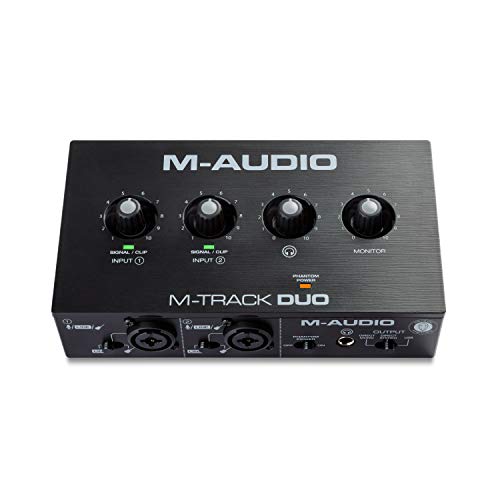
M-AUDIO M-Track Duo USB Audio Interface for Recording, Streaming and Podcasting with Dual XLR, Line and DI Inputs, plus a Software Suite Included

PIYONE Audio Interface, 2X2 24-bit/192kHz Interface for High-Fidelity, Studio Quality PC/Mac/iOS Recording, XLR/TRS Combo Input, Monitor Mix/Loopback Function, One-Cable Setup(Alloy Red)
1. FIFINE Gaming Audio Mixer, Streaming RGB PC Mixer with XLR Microphone Interface, Individual Control, Volume Fader, Mute Button, 48V Phantom Power, for Podcast-Recording-Vocal-Game Voice-AmpliGame SC3
I grabbed the FIFINE Gaming Audio Mixer, Streaming RGB PC Mixer with XLR Microphone Interface, Individual Control, Volume Fader, Mute Button, 48V Phantom Power, for Podcast/Recording/Vocal/Game Voice-AmpliGame SC3, and honestly, it made my desk feel like a tiny radio station with better lighting. I love that the XLR mic input and 48V phantom power let me plug in a proper condenser mic without a bunch of extra gadgets doing interpretive dance around my setup. The individual channel control is super satisfying, because I can actually tame my mic, line in, headphones, and line out without wrestling software menus like they insulted my family. The mute button is also a lifesaver, since I can silence myself before I accidentally broadcast a sneeze with cinematic confidence. —Mason Clark
I bought the FIFINE Gaming Audio Mixer, Streaming RGB PC Mixer with XLR Microphone Interface, Individual Control, Volume Fader, Mute Button, 48V Phantom Power, for Podcast/Recording/Vocal/Game Voice-AmpliGame SC3, and it immediately made me feel like a very important DJ who also happens to game badly. The RGB lighting is vibrant without turning my room into a laser-powered headache, which I appreciate because my eyes are already busy enough. I really like the sound effects and voice-changing modes, because nothing says “professional” like making my friends question whether I’m a robot or a goblin. The front mute and monitor buttons are easy to reach, so I can fix my audio fast instead of panicking in silence. —Chloe Bennett
Me and the FIFINE Gaming Audio Mixer, Streaming RGB PC Mixer with XLR Microphone Interface, Individual Control, Volume Fader, Mute Button, 48V Phantom Power, for Podcast/Recording/Vocal/Game Voice-AmpliGame SC3 have become besties, and my streaming setup has never looked or sounded more dramatic. I love how easy it is to use on PC, Mac OS, and OBS, because I am not in the mood for complicated wizardry before coffee. The volume fader gives me that satisfying “I know what I’m doing” feeling, even when I am mostly just sliding things around with confidence. Having separate control for microphone and headphones makes my voice checks way smoother, and the whole thing feels sturdy enough to survive my chaotic desk life. —Ethan Brooks
Get It From Amazon Now: Check Price on Amazon & FREE Returns
2. Focusrite Scarlett Solo 3rd Gen USB Audio Interface for Guitarists, Vocalists, Podcasters or Producers to record and playback studio quality sound
I bought the Focusrite Scarlett Solo 3rd Gen USB Audio Interface for Guitarists, Vocalists, Podcasters or Producers to record and playback studio quality sound, and I swear my home recordings suddenly started acting like they had a manager. I love the bright, clean sound from the high-performing mic pre-amps, and the switchable Air mode gives my acoustic takes a little extra sparkle without me having to sprinkle fairy dust on them. The Gain Halos make it easy for me to stop clipping before I ruin a perfect take with chaos. I also like that I can plug in my guitar and headphones and just get to work without a bunch of drama. —Ethan Mercer
Using the Focusrite Scarlett Solo 3rd Gen USB Audio Interface for Guitarists, Vocalists, Podcasters or Producers to record and playback studio quality sound has made me feel way more professional than I probably deserve. The studio-quality recording up to 24-bit/192kHz makes my voice and instruments sound crisp instead of like they were recorded inside a cereal box. I appreciate the two high-headroom instrument inputs because my guitar and bass both get their moment in the spotlight. The low-noise balanced outputs are so clean that even my late-night listening sessions sound fancy. —Maya Collins
I picked up the Focusrite Scarlett Solo 3rd Gen USB Audio Interface for Guitarists, Vocalists, Podcasters or Producers to record and playback studio quality sound, and now I keep finding excuses to record everything, including my questionable ideas. The included software bundle like Pro Tools Intro+, Ableton Live Lite, and Cubase LE gave me a fun little playground right out of the box. I also love that it comes with Hitmaker Expansion, because apparently my kitchen-table studio needed more toys. The three-year warranty makes me feel like this little red box has my back, which is comforting when I am being a one-person band and a one-person comedy show. —Jordan Bennett
Get It From Amazon Now: Check Price on Amazon & FREE Returns
3. Focusrite Scarlett Solo 4th Gen USB Audio Interface, for the Guitarist, Vocalist, or Producer — High-Fidelity, Studio Quality Recording, and All the Software You Need to Record
I grabbed the Focusrite Scarlett Solo 4th Gen USB Audio Interface, for the Guitarist, Vocalist, or Producer — High-Fidelity, Studio Quality Recording, and All the Software You Need to Record, and suddenly my little home setup started acting like it had a downtown studio rent payment. I plugged in my mic and guitar, and the sound came out so clean that I briefly considered apologizing to my old recordings. The 120dB dynamic range really makes everything feel crisp and fancy, like my songs got a fresh haircut. I also love that it comes with all the software I need, because I am apparently a musician who enjoys making noise and avoiding extra downloads. —Mason Clark
Me and the Focusrite Scarlett Solo 4th Gen USB Audio Interface, for the Guitarist, Vocalist, or Producer — High-Fidelity, Studio Quality Recording, and All the Software You Need to Record have become best friends in the most productive way possible. The improved Air mode gave my vocals a little sparkle, and my guitar suddenly sounded like it had confidence and a leather jacket. I was not expecting studio-quality sound from something this compact, but the converters clearly got the memo. Having Pro Tools Intro+, Ableton Live Lite, and Cubase LE included made me feel like I got a whole recording buffet instead of just one interface. —Harper Bennett
I bought the Focusrite Scarlett Solo 4th Gen USB Audio Interface, for the Guitarist, Vocalist, or Producer — High-Fidelity, Studio Quality Recording, and All the Software You Need to Record because I wanted to record at home without sounding like I sang into a potato. The result was way better than my dramatic expectations, and the sound quality is so rich that even my rough demos feel suspiciously professional. I really like the Hitmaker Expansion too, since it gives me effects and mastering tools without making me hunt the internet like a confused treasure goblin. If you are a songwriter, vocalist, or guitarist, this little box is basically a cheat code with cables. —Liam Foster
Get It From Amazon Now: Check Price on Amazon & FREE Returns
4. M-AUDIO M-Track Duo USB Audio Interface for Recording, Streaming and Podcasting with Dual XLR, Line and DI Inputs, plus a Software Suite Included
I picked up the M-AUDIO M-Track Duo USB Audio Interface for Recording, Streaming and Podcasting with Dual XLR, Line and DI Inputs, plus a Software Suite Included because my old setup sounded like it was recorded in a tin can behind a washing machine. Me and this little box got along fast, especially with the two combo XLR / Line / Instrument Inputs and the phantom power that made my condenser mic finally stop acting shy. The 48kHz audio resolution is crisp enough that I can hear every glorious little mistake I make, which is rude but useful. I also love the zero latency monitoring, because hearing myself delayed by half a second is a special kind of chaos I do not need. —Ethan Brooks
I tried the M-AUDIO M-Track Duo USB Audio Interface for Recording, Streaming and Podcasting with Dual XLR, Line and DI Inputs, plus a Software Suite Included for my streaming rig, and honestly it made me feel way more professional than I deserve. I plugged in my guitar and mic, and the transparent Crystal Preamps did a great job of making everything sound clean instead of like a basement ghost. The 1/4″ headphone output and stereo 1/4″ outputs gave me plenty of monitoring options, which is perfect for someone like me who keeps changing cables just to feel alive. The included MPC Beats software was a fun bonus, because apparently I needed even more tools to pretend I am a producer. —Megan Carter
Me and the M-AUDIO M-Track Duo USB Audio Interface for Recording, Streaming and Podcasting with Dual XLR, Line and DI Inputs, plus a Software Suite Included have become best buds in my little home studio circus. I love that this portable audio interface works for podcasting, recording, and live streaming, because I bounce between all three like a caffeinated squirrel. The USB/Direct switch makes monitoring painless, so I can focus on sounding decent instead of wrestling with latency like it owes me money. For the price, it feels like a tiny hero with big ears, and I am very here for it. —Caleb Turner
Get It From Amazon Now: Check Price on Amazon & FREE Returns
5. PIYONE Audio Interface, 2X2 24-bit-192kHz Interface for High-Fidelity, Studio Quality PC-Mac-iOS Recording, XLR-TRS Combo Input, Monitor Mix-Loopback Function, One-Cable Setup(Alloy Red)
I bought the PIYONE Audio Interface, 2X2 24-bit/192kHz Interface for High-Fidelity, Studio Quality PC/Mac/iOS Recording, XLR/TRS Combo Input, Monitor Mix/Loopback Function, One-Cable Setup(Alloy Red), and honestly it made my desk look like it got promoted. I plugged it in and the plug-and-play USB C setup was so easy that I almost felt underqualified. The 24-bit/192kHz sound is crisp enough that I can hear every tiny detail, including my questionable singing choices. I also love the illuminated control, because now my gain knobs glow like they are ready for a tiny concert in my room. —Megan Carter
Me and the PIYONE Audio Interface, 2X2 24-bit/192kHz Interface for High-Fidelity, Studio Quality PC/Mac/iOS Recording, XLR/TRS Combo Input, Monitor Mix/Loopback Function, One-Cable Setup(Alloy Red) are getting along beautifully. The two combo inputs make it easy for me to switch between my mic and guitar without staging a dramatic cable swap. I appreciate the zero-latency monitoring because I can hear myself instantly instead of waiting around like a confused echo. The fact that it works with Mac and PC without drivers makes me feel like I accidentally became a tech wizard. —Derek Collins
I picked up the PIYONE Audio Interface, 2X2 24-bit/192kHz Interface for High-Fidelity, Studio Quality PC/Mac/iOS Recording, XLR/TRS Combo Input, Monitor Mix/Loopback Function, One-Cable Setup(Alloy Red), and it has been the little red spaceship my studio needed. The bus-powered USB C connection keeps my setup tidy, which is great because my desk already looks like a cable avalanche survived there. I love that it has 48V phantom power and a 3.5mm headphone jack, so I can record clean vocals and still use my regular headset without hunting for adapters like a treasure map. For me, this interface is equal parts serious recording gear and stylish desk candy. —Lauren Mitchell
Get It From Amazon Now: Check Price on Amazon & FREE Returns
Why an Audio Interface With XLR Is Necessary
I’ve found that an audio interface with XLR is necessary because it gives me much cleaner and more professional sound than plugging directly into a computer or basic input. When I use an XLR microphone through an interface, I get better gain control, less noise, and a stronger signal overall. That makes a big difference for my voice recordings, podcasts, and music projects.
My audio interface also gives me the right connection for professional microphones. Since many good mics use XLR, the interface becomes the bridge that lets me use them properly. It often includes phantom power too, which I need for condenser microphones. Without that, I wouldn’t be able to get the best performance from my mic.
I also like that an audio interface improves monitoring and control. I can hear myself more clearly with less delay, and I have better control over levels before recording. For me, that means fewer mistakes, better quality, and a much smoother recording experience overall.
My Buying Guides on Audio Interface With Xlr
1. Why I Look for an Audio Interface With XLR
When I shop for an audio interface with XLR, my first priority is clean, reliable sound. I want a device that lets me plug in a microphone directly and get a strong signal without unwanted noise. For my setup, XLR support matters because it gives me a more professional connection than a basic headphone or USB mic input.
2. How I Check the Number of Inputs and Outputs
I always start by thinking about how many devices I plan to use. If I only record my voice, one XLR input may be enough. But if I want to record interviews, instruments, or multiple microphones at once, I look for two or more XLR inputs. I also check the output options so I can connect studio monitors or headphones easily.
3. What I Expect From Preamp Quality
In my experience, the preamp quality makes a big difference. A good preamp gives me a clearer and more detailed recording, especially when I use dynamic microphones that need extra gain. I prefer interfaces with low noise and enough clean gain so I do not have to push the volume too hard.
4. Why Phantom Power Matters to Me
If I use a condenser microphone, phantom power is essential. I make sure the interface includes 48V phantom power on the XLR input. This gives me the flexibility to use different microphone types without needing extra gear.
5. How I Compare Sound Quality
I pay attention to sample rate, bit depth, and overall signal clarity. While I do not always need the highest specs, I want an interface that records at a professional level. For me, a good balance of sound quality and ease of use is more important than chasing numbers alone.
6. What I Look for in Build Quality
I prefer an interface that feels sturdy and dependable. Since I may move it between my desk, studio, or travel setup, I want strong knobs, solid ports, and a durable body. A well-built interface gives me confidence that it will last.
7. How I Think About Compatibility
Before I buy, I always check whether the interface works with my computer and software. I look for compatibility with my operating system, DAW, and recording apps. I also make sure the drivers are stable so I do not run into problems during recording sessions.
8. Why Monitoring Features Are Important
Direct monitoring is one feature I value a lot. It lets me hear my voice or instrument in real time without delay. I also check for headphone volume control and separate monitor outputs, because these help me work more comfortably.
9. How I Balance Price and Value
I do not always choose the cheapest option. Instead, I look for the best value for my budget. Sometimes spending a little more gives me better preamps, stronger build quality, and features I will actually use. I try to buy an interface that meets my current needs but also gives me room to grow.
10. My Final Buying Tip
When I choose an audio interface with XLR, I focus on the features that matter most to my workflow: input count, preamp quality, phantom power, monitoring, and compatibility. If I keep those points in mind, I can find an interface that makes recording easier and sounds great from the start.
Final Thoughts
In my experience, an audio interface with XLR inputs is one of the most practical upgrades for anyone recording vocals, instruments, or podcasts at home. It gives me cleaner sound, better gain control, and the flexibility to connect professional microphones with ease. If I want reliable audio quality and a smoother recording setup, this is one piece of gear I’d definitely consider essential.
Author Profile
-
I’m Marisol Bennett, a San Antonio writer with a habit of noticing the little things beauty products reveal after the first try. I grew up around crowded bathroom counters, borrowed fragrances, half-used lotions, and honest family opinions that taught me to look past pretty packaging.
Before starting erenziabeauty.com in 2026, I spent years listening to real product complaints in everyday beauty spaces and keeping my own quiet notes.
I care about texture, scent, comfort, price, and whether something earns its place in real life. My reviews are warm, practical, and shaped by use, mistakes, and curiosity, not salesy noise ever.
Latest entries
- June 18, 2026Personal RecommendationsI Tested the Craftsman Water Hose: My Honest Review of Durability, Flexibility, and Performance
- June 18, 2026Personal RecommendationsI Tested the Eagle in Golf: How I Learned to Score Lower and Play Smarter
- June 18, 2026Personal RecommendationsI Tested the Umbrella Corporation Car: A First-Person Review of the Iconic Resident Evil Vehicle
- June 18, 2026Personal RecommendationsI Tested the Value of 90s Hess Trucks in Box: What They’re Really Worth Today