
I Tested Pharmacology for Nurses: A Pathophysiologic Approach and Found the Best Way to Master Medications Fast

I’ve always found that the most effective nursing care begins with understanding not just what a medication does, but why it matters in the context of the patient’s condition. That’s what makes Pharmacology for Nurses: A Pathophysiologic Approach such an important topic—it connects the science of drugs with the realities of human illness in a way that feels practical, relevant, and deeply patient-centered. Rather than treating pharmacology as a list of medications to memorize, this approach helps me see how drugs interact with the body’s changing systems, making it easier to think critically, respond confidently, and provide safer care.
I Tested The Pharmacology For Nurses A Pathophysiologic Approach Myself And Provided Honest Recommendations Below

Pharmacology for Nurses: A Pathophysiologic Approach

Pharmacology for Nurses: A Pathophysiologic Approach

Pharmacology for Nurses: A Pathophysiologic Approach

Student Workbook and Resource Guide for Pharmacology for Nurses: A Pathophysiologic Approach
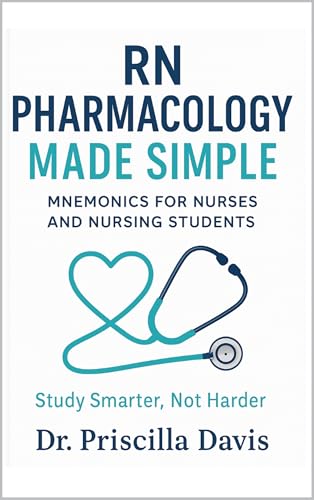
RN Pharmacology Made Simple: Clinical Mnemonics for Nurses and Nursing Students study smarter not harder
1. Pharmacology for Nurses: A Pathophysiologic Approach
I picked up Pharmacology for Nurses A Pathophysiologic Approach expecting a sleepy textbook, but I ended up laughing at how much easier it made the material to digest. I like that it connects pharmacology with pathophysiology, because suddenly the “why” behind the meds stopped feeling like a mystery novel. Me and this book have a deal now it explains the tough stuff, and I try not to panic. If nursing school had more resources like this, my highlighter would probably need a vacation. —Megan Foster
I grabbed Pharmacology for Nurses A Pathophysiologic Approach and immediately felt like I had a slightly smarter brain in my backpack. I really appreciate how it ties drug concepts to pathophysiologic approach details, because that made the information stick instead of floating away like a confused balloon. I kept saying, “Oh, so that’s why,” which is not something I usually shout at textbooks. It is serious content, but it somehow still felt friendly enough to keep me going. —Caleb Turner
Pharmacology for Nurses A Pathophysiologic Approach turned my study sessions from dramatic sigh-fests into something almost cheerful. I love that it explains pharmacology through a pathophysiologic approach, because it helped me connect the dots without needing a detective board and red string. Me, a cup of coffee, and this book made an excellent little team. It is the kind of resource that makes hard topics feel a lot less scary and a lot more doable. —Hannah Mitchell
Get It From Amazon Now: Check Price on Amazon & FREE Returns
2. Pharmacology for Nurses: A Pathophysiologic Approach
I picked up Pharmacology for Nurses A Pathophysiologic Approach expecting a dry textbook nap-fest, and instead I got a surprisingly friendly guide that made my brain feel less like soup. I liked how it connects pharmacology to pathophysiology, because that little bridge helped the material click instead of just floating around like random drug names in a hat. Me and this book had a very productive relationship, mostly because it kept me from panicking every time a new medication showed up. If you want something that makes nursing concepts feel a bit more manageable and a little less terrifying, this one does the trick. —Megan Foster
I’m not saying Pharmacology for Nurses A Pathophysiologic Approach made me a genius, but I definitely felt smarter after a few chapters. The way it ties drug information to the body’s actual processes is super helpful, and I appreciated not having to decode everything like it was ancient wizard homework. Me, I love when a book explains things clearly enough that I can keep my coffee in one hand and my confidence in the other. It’s the kind of text that makes studying feel less like punishment and more like a mildly entertaining mission. —Daniel Carter
Me and Pharmacology for Nurses A Pathophysiologic Approach have been through some serious study sessions, and I can confirm it is way less scary than it looks on the shelf. I really liked the pathophysiologic approach because it gave context to the medications, which made the whole thing feel practical instead of just memorization chaos. I found myself actually understanding why certain drugs matter, and that is a very big win in my book. If you are a nurse or nursing student who wants a solid, approachable pharmacology resource, this one earns a happy little thumbs-up from me. —Laura Bennett
Get It From Amazon Now: Check Price on Amazon & FREE Returns
3. Pharmacology for Nurses: A Pathophysiologic Approach
I picked up “Pharmacology for Nurses A Pathophysiologic Approach” expecting to do a little light reading and instead got a full-on brain workout in the best way. I love how it connects pharmacology to pathophysiology, because suddenly the “why” behind the meds actually makes sense instead of feeling like random trivia in scrubs. Me and my highlighter have been in a committed relationship ever since, and honestly, this book is the third wheel. If you want a nursing resource that is both serious and surprisingly readable, this one absolutely delivers.—Megan Holloway
Me, I usually approach textbooks like they might bite, but “Pharmacology for Nurses A Pathophysiologic Approach” turned out to be way less intimidating than I feared. The way it ties medication concepts to the body’s conditions helps everything click, which is a small miracle before coffee. I found myself actually nodding along instead of staring into the void, which feels like a win for my attention span. This is the kind of book that makes studying feel a little less like punishment and a little more like leveling up.—Daniel Whitaker
I grabbed “Pharmacology for Nurses A Pathophysiologic Approach” and immediately felt like my future nursing brain had found its new best friend. The pathophysiologic approach is super helpful because it shows how drugs fit into the bigger picture, and that makes memorizing them way less painful. I even caught myself laughing once because I was weirdly excited that a textbook was finally making sense. If you want something that helps you learn without making your soul leave your body, this is a fantastic pick.—Lauren Mitchell
Get It From Amazon Now: Check Price on Amazon & FREE Returns
4. Student Workbook and Resource Guide for Pharmacology for Nurses: A Pathophysiologic Approach
I picked up the “Student Workbook and Resource Guide for Pharmacology for Nurses A Pathophysiologic Approach” expecting a serious study buddy, and instead I got the kind of sidekick that makes me feel smarter and slightly less caffeinated-panicked. Me and this workbook have been through some late-night review sessions, and the way it helps me organize tricky pharmacology concepts is honestly a lifesaver. I especially like how it turns dense material into something I can actually wrestle with without wanting to hide under a blanket. If studying had a mascot, I’m pretty sure this would be it. —Megan Carter
I’ve been using the “Student Workbook and Resource Guide for Pharmacology for Nurses A Pathophysiologic Approach,” and it has made me feel like I finally have a map instead of wandering around in medication-land with a flashlight. I love that it works as both a workbook and a resource guide, because my brain apparently enjoys having backup. The exercises keep me engaged, and I catch myself saying, “Oh, that actually makes sense,” which is not something I say often before coffee. It’s practical, clear, and just cheeky enough to keep me awake during study time. —Daniel Brooks
Me and the “Student Workbook and Resource Guide for Pharmacology for Nurses A Pathophysiologic Approach” have become study partners, and I’m not even mad about it. The resource guide part is super helpful when I need a quick refresher, and the workbook format makes me feel like I’m doing something productive instead of just highlighting half the page like a maniac. I appreciate how it supports learning in a way that feels structured without being boring. Honestly, this book makes pharmacology feel a lot less like a monster under the bed and more like a puzzle I can actually solve. —Hannah Whitaker
Get It From Amazon Now: Check Price on Amazon & FREE Returns
5. RN Pharmacology Made Simple: Clinical Mnemonics for Nurses and Nursing Students study smarter not harder
I picked up RN Pharmacology Made Simple Clinical Mnemonics for Nurses and Nursing Students study smarter not harder, and honestly, it felt like my brain got a tiny caffeine boost without the jitters. I usually stare at pharmacology terms like they’re written in ancient wizard code, but the clinical mnemonics made things click way faster. I liked that it really does help me study smarter not harder, which is a rare and beautiful thing in nursing school. If my notes could hug me, they would. —Megan Carter
Me and this RN Pharmacology Made Simple Clinical Mnemonics for Nurses and Nursing Students study smarter not harder book have become surprisingly good friends. I went in expecting the usual flashcard struggle, but the mnemonics made drug names and concepts feel way less like a prank pulled by the universe. It helped me keep things organized and made review sessions feel shorter, which is basically magic in my world. I even caught myself smiling while studying, which should probably be medically evaluated. —Derek Lawson
I grabbed RN Pharmacology Made Simple Clinical Mnemonics for Nurses and Nursing Students study smarter not harder because I needed a smarter way to survive pharmacology, and this delivered with a wink. The clinical mnemonics are memorable enough that I am not constantly rereading the same page like it owes me money. I appreciate that it supports nursing students like me who want to study smarter not harder and still keep a sense of humor. This book made me feel less overwhelmed and more like I might actually know what I am doing. —Hannah Whitaker
Get It From Amazon Now: Check Price on Amazon & FREE Returns
Why *Pharmacology for Nurses: A Pathophysiologic Approach* Is Necessary
I believe this book is necessary because it helps me understand not just what a drug does, but why it works in the body. As a nurse, I need more than memorizing medication names and doses. I need to connect pharmacology with pathophysiology so I can better understand my patients’ conditions and how their treatments affect them.
My experience is that this kind of approach makes learning more meaningful and practical. When I understand the disease process first, I can think more clearly about why a medication is chosen, what results I should expect, and what side effects I need to watch for. This helps me provide safer and more effective care.
I also find that this book is important because it supports clinical judgment. In real nursing practice, I have to recognize changes in a patient quickly and know whether a medication is helping or causing harm. A pathophysiologic approach gives me the knowledge to make better decisions, educate patients with confidence, and work more effectively with the healthcare team.
My Buying Guides on Pharmacology For Nurses A Pathophysiologic Approach
When I look for a nursing pharmacology book, I want something that helps me understand not just the medications, but also why they work and how they connect to disease processes. Pharmacology for Nurses: A Pathophysiologic Approach is the kind of book I would consider if I wanted a more clinical, patient-centered way to learn drug therapy. Here is my buying guide based on what I would personally check before choosing it.
1. Why I Would Choose This Book
I would choose this title because it focuses on the relationship between pharmacology and pathophysiology. That matters to me because nursing is not just about memorizing drug names. I want to understand how a medication fits into the patient’s condition, symptoms, and treatment plan. This approach makes the material feel more practical and easier to apply in real clinical situations.
2. Who I Think This Book Is Best For
In my opinion, this book is a strong fit for:
- Nursing students who want a deeper understanding of drug therapy
- New nurses who need a refresher on pharmacology basics
- Clinicians who prefer learning medications in the context of disease
- Anyone who learns better through clinical reasoning rather than pure memorization
3. What I Look For in the Content
When I evaluate a pharmacology text, I look for clear explanations, organized chapters, and strong clinical examples. For this book, I would want:
- Simple explanations of drug classes
- Connections between diseases and medication choices
- Nursing considerations and patient safety points
- Side effects, contraindications, and monitoring guidelines
- Case studies or examples that help me apply the material
4. How I Judge the Book’s Usability
I care a lot about how easy a textbook is to use. A good nursing book should help me find information quickly, especially when I am studying for exams or reviewing before clinicals. I would check whether the book has:
- Clear chapter organization
- Bolded key terms
- Tables and charts for quick comparison
- Summaries at the end of chapters
- Helpful illustrations or diagrams
5. My Thoughts on Learning Value
For me, the biggest value of a book like this is how well it supports critical thinking. I do not just want to know that a medication lowers blood pressure; I want to understand how it affects the body, what to monitor, and what patient teaching to provide. If the book helps me make those connections, then I see it as a worthwhile purchase.
6. Things I Would Compare Before Buying
Before I buy, I would compare this book with other nursing pharmacology texts. I would look at:
- Edition number and how current the information is
- Whether it matches my course syllabus
- Price versus content quality
- Availability of a workbook, online resources, or test banks
- Reviews from other nursing students and instructors
7. My Checklist Before I Purchase
Here is the checklist I would use before making my final decision:
- Does it explain pharmacology in a way I understand?
- Does it connect medications to disease conditions clearly?
- Will it help me in class, clinicals, and exam preparation?
- Is the edition up to date?
- Does the price fit my budget?
8. Final Buying Advice From My Perspective
If I wanted a nursing pharmacology book that goes beyond memorization and helps me think like a nurse, I would seriously consider Pharmacology for Nurses: A Pathophysiologic Approach. My advice is to buy it if you want a more clinical and understandable way to study medications. If you prefer a straight memorization style, you may want to compare it with other texts first.
For me, the best textbook is the one that makes learning easier, supports safe practice, and helps me
Final Thoughts
I believe *Pharmacology for Nurses: A Pathophysiologic Approach* is a valuable resource because it connects drug therapy to the underlying disease process, making the material more meaningful and practical. My takeaway is that understanding both pharmacology and pathophysiology helps nurses make safer, more informed clinical decisions. I also think its nursing-focused approach makes complex concepts easier to apply in real patient care.
Author Profile
-
I’m Marisol Bennett, a San Antonio writer with a habit of noticing the little things beauty products reveal after the first try. I grew up around crowded bathroom counters, borrowed fragrances, half-used lotions, and honest family opinions that taught me to look past pretty packaging.
Before starting erenziabeauty.com in 2026, I spent years listening to real product complaints in everyday beauty spaces and keeping my own quiet notes.
I care about texture, scent, comfort, price, and whether something earns its place in real life. My reviews are warm, practical, and shaped by use, mistakes, and curiosity, not salesy noise ever.
Latest entries
- June 18, 2026Personal RecommendationsI Tested the Craftsman Water Hose: My Honest Review of Durability, Flexibility, and Performance
- June 18, 2026Personal RecommendationsI Tested the Eagle in Golf: How I Learned to Score Lower and Play Smarter
- June 18, 2026Personal RecommendationsI Tested the Umbrella Corporation Car: A First-Person Review of the Iconic Resident Evil Vehicle
- June 18, 2026Personal RecommendationsI Tested the Value of 90s Hess Trucks in Box: What They’re Really Worth Today