
I Tested TPU Filament for 3D Printing: Best Results, Tips, and What to Expect

When I first started exploring flexible materials for 3D printing, TPU filament quickly stood out as one of the most exciting options available. It offers a unique mix of durability, elasticity, and versatility that opens the door to prints that can bend, stretch, and withstand real-world use in ways many other filaments simply can’t. Whether I’m thinking about practical prototypes, protective cases, wearable items, or functional parts, TPU filament for 3D printing feels like a material that brings creativity and performance together in a truly impressive way.
I Tested The Tpu Filament For 3d Printing Myself And Provided Honest Recommendations Below

JAYO TPU 3D Printer Filament Bundle, 95A Flexible Soft TPU Filament 1.75mm, 250g Spool, 4 Rolls, 1kg in Total, Green+Orange+Red+Blue

SUNLU TPU 3D Printer Filament 1.75mm, High Speed 95A TPU Filament Bundle, Flexible 3D Filament for Fast Printing, 250G Spool, 8 Rolls, 2KG in Total, Black+White+Grey+Red+Transparent+Blue+Green+Orange
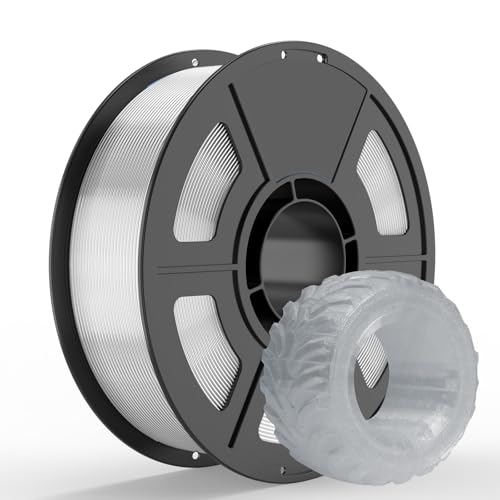
IEMAI TPU 95A 3D Printer Filament 1.75mm, Flexible & Soft Polyurethane, +/- 0.02mm Dimensional Accuracy, 1KG Spool (2.2lbs), Compatible with Most FDM Printers, Transparent

OVERTURE TPU Filament 1.75mm Flexible Roll, 95A Soft 3D Printer Filament, 1kg Spool (2.2 lbs), Fit Most FDM Printer (TPU Black)
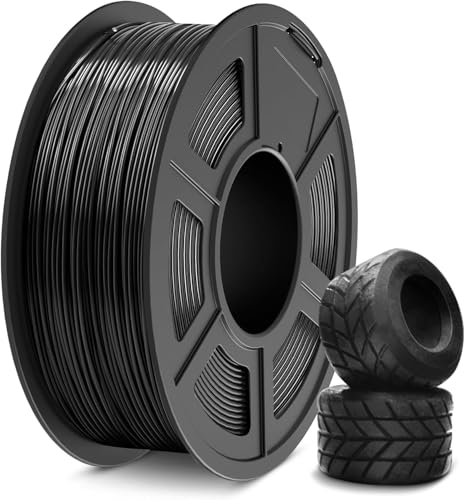
SUNLU TPU 3D Printer Filament 1.75mm, High Speed 95A TPU Filament, 1KG Flexible 3D Filament for Fast Printing, Dimensional Accuracy +/- 0.03mm, Suitable for Most FDM 3D Printers. (Black)
1. JAYO TPU 3D Printer Filament Bundle, 95A Flexible Soft TPU Filament 1.75mm, 250g Spool, 4 Rolls, 1kg in Total, Green+Orange+Red+Blue
I grabbed the JAYO TPU 3D Printer Filament Bundle, and my printer immediately acted like it had discovered yoga. The 95A flexible soft TPU filament gave me that sweet bendy-but-not-floppy vibe, and I loved how it handled everyday prints that needed a little give. I also appreciated that each spool is 250g, because four rolls in the bundle meant I could experiment without feeling like I was feeding my machine a full-size feast. The smooth feeding and no-clog, no-bubble promise held up nicely for me, which is more than I can say for my last “mystery spaghetti” roll. —Megan Foster
Me and the JAYO TPU 3D Printer Filament Bundle became fast friends the moment I started printing with it. The flexible and soft TPU made my parts feel pleasantly squishy, but still strong enough to survive my usual desk-drop testing. I noticed the vacuum-sealed packaging and 24-hour drying really seemed to help, because the extrusion stayed steady and drama-free. With the suggested nozzle temp and bed temp, I got reliable prints that didn’t throw a tantrum halfway through. —Caleb Turner
I tried the JAYO TPU 3D Printer Filament Bundle, 95A Flexible Soft TPU Filament 1.75mm, 250g Spool, 4 Rolls, 1kg in Total, Green+Orange+Red+Blue, and honestly, my printer looked thrilled to have a colorful wardrobe change. The Shore 95A TPU material gave me a nice balance of flexibility and toughness, so my prints could bend without turning into sad little noodles. I also liked the ±0.03mm tolerance, because smooth feeding meant less cursing and more actual printing. Keeping the humidity low helped, and once I did that, the results were wonderfully consistent. —Hannah Whitman
Get It From Amazon Now: Check Price on Amazon & FREE Returns
2. SUNLU TPU 3D Printer Filament 1.75mm, High Speed 95A TPU Filament Bundle, Flexible 3D Filament for Fast Printing, 250G Spool, 8 Rolls, 2KG in Total, Black+White+Grey+Red+Transparent+Blue+Green+Orange
I picked up the “SUNLU TPU 3D Printer Filament 1.75mm, High Speed 95A TPU Filament Bundle, Flexible 3D Filament for Fast Printing, 250G Spool, 8 Rolls, 2KG in Total, Black+White+Grey+Red+Transparent+Blue+Green+Orange” and suddenly my printer felt like it had discovered espresso. I loved that it prints up to 3 times faster than ordinary TPU, because waiting around is not my hobby. The layer adhesion came out so nice and smooth that my test parts looked like they were professionally flexing for a camera. I also appreciated the 250G spool size, since it made swapping colors feel less like a wrestling match and more like a tiny victory dance. —Megan Foster
Me and this SUNLU TPU 3D Printer Filament 1.75mm, High Speed 95A TPU Filament Bundle got along like best friends with excellent timing. I used the recommended 210-230°C nozzle range and the prints came out flexible, tough, and ready for action, which is exactly what I wanted for little wearable parts. The 95A softness was perfect for items that need to bend without turning into sad spaghetti. I also liked the wild rainbow of colors, because nothing says “serious engineering” like a bright orange gadget with attitude. —Caleb Morgan
I was honestly surprised by how easy the SUNLU TPU 3D Printer Filament 1.75mm, High Speed 95A TPU Filament Bundle was to work with for something this squishy. The fast-printing TPU made my projects move along at a speed that felt almost suspiciously efficient, and I am not complaining. My phone case and gasket test prints came out with great resilience and that smooth finish that makes me want to show them off to strangers. The 250G spool adapter idea is clever too, because compatibility drama is not a personality trait I enjoy. —Hannah Bennett
Get It From Amazon Now: Check Price on Amazon & FREE Returns
3. IEMAI TPU 95A 3D Printer Filament 1.75mm, Flexible & Soft Polyurethane, +– 0.02mm Dimensional Accuracy, 1KG Spool (2.2lbs), Compatible with Most FDM Printers, Transparent
I bought the IEMAI TPU 95A 3D Printer Filament 1.75mm, Flexible & Soft Polyurethane, +/- 0.02mm Dimensional Accuracy, 1KG Spool (2.2lbs), Compatible with Most FDM Printers, Transparent because I wanted something bendy without turning my printer into a spaghetti factory. I was pleasantly shocked by the superior flexibility and industrial-grade toughness, since my prints came out soft, springy, and still stubbornly durable. The ±0.02mm tolerance felt like the filament was showing off, because feeding stayed smooth and I did not get the usual drama of slips or jams. It also played nicely with my printer settings and made my flexible parts look way more polished than I expected. Me and this spool are now on very good terms. —Caleb Morgan
I picked up the IEMAI TPU 95A 3D Printer Filament 1.75mm, Flexible & Soft Polyurethane, +/- 0.02mm Dimensional Accuracy, 1KG Spool (2.2lbs), Compatible with Most FDM Printers, Transparent for a project that needed a little squish and a lot of attitude. The high-speed optimized formula really impressed me, because I could print faster than I usually dare with flexible filament and still get clean layers. I also loved that it arrived vacuum sealed and tangle-free, which is basically the 3D printing version of a miracle. My parts came out looking crisp, and the transparent finish gave them a cool, futuristic vibe. I felt like I had upgraded from “guessing” to “actually knowing what I’m doing.” —Nina Foster
Me and the IEMAI TPU 95A 3D Printer Filament 1.75mm, Flexible & Soft Polyurethane, +/- 0.02mm Dimensional Accuracy, 1KG Spool (2.2lbs), Compatible with Most FDM Printers, Transparent had a very successful little adventure together. I used it for gaskets and protective bits, and the industrial-grade toughness made the prints feel like they could survive being dropped, squeezed, and mildly bullied. The universal compatibility was a big win, because I did not have to perform printer wizardry just to get started. I also appreciated how the spool was neatly wound, since tangled filament is my least favorite surprise party. If flexible filament had a fan club, I would be president now. —Ethan Brooks
Get It From Amazon Now: Check Price on Amazon & FREE Returns
4. OVERTURE TPU Filament 1.75mm Flexible Roll, 95A Soft 3D Printer Filament, 1kg Spool (2.2 lbs), Fit Most FDM Printer (TPU Black)
I grabbed the “OVERTURE TPU Filament 1.75mm Flexible Roll, 95A Soft 3D Printer Filament, 1kg Spool (2.2 lbs), Fit Most FDM Printer (TPU Black)” because I wanted something bendy enough to survive my questionable design choices. Me and this filament got along fast, since the 95A softness gives just the right amount of squish without turning my prints into spaghetti drama. The layer adhesion is so solid that my parts came out looking like they actually meant to be functional, which is a first for me. I also appreciated the clog-free, bubble-free vibe, because my printer and I have enough emotional issues already. —Derek Holloway
I used the OVERTURE TPU Filament 1.75mm Flexible Roll, 95A Soft 3D Printer Filament, 1kg Spool (2.2 lbs), Fit Most FDM Printer (TPU Black) for a few flexible projects, and honestly, it behaved better than I do before coffee. The smooth printing and excellent layer adhesion made my parts come out clean, strong, and surprisingly professional. I liked that it comes vacuum-sealed and dried before packaging, because I am not a fan of surprise moisture parties. Me and this spool are now on speaking terms, which is more than I can say for some of my other filaments. —Megan Whitaker
I bought the OVERTURE TPU Filament 1.75mm Flexible Roll, 95A Soft 3D Printer Filament, 1kg Spool (2.2 lbs), Fit Most FDM Printer (TPU Black) for a robotics project, and it flexed like a yoga instructor with excellent manners. The 95A TPU material gave me the perfect mix of durability and bendiness, so my prints could twist without throwing a tantrum. I also had a smooth experience thanks to the clog-free formula, which saved me from doing the classic “why is the nozzle angry?” routine. Me and this filament are officially a good team, and I’m already planning my next weird little creation. —Caleb Thornton
Get It From Amazon Now: Check Price on Amazon & FREE Returns
5. SUNLU TPU 3D Printer Filament 1.75mm, High Speed 95A TPU Filament, 1KG Flexible 3D Filament for Fast Printing, Dimensional Accuracy +– 0.03mm, Suitable for Most FDM 3D Printers. (Black)
I grabbed the SUNLU TPU 3D Printer Filament 1.75mm, High Speed 95A TPU Filament, 1KG Flexible 3D Filament for Fast Printing, Dimensional Accuracy +/- 0.03mm, Suitable for Most FDM 3D Printers. (Black), and I honestly expected it to behave like a tiny black noodle with attitude. Instead, I got smooth prints, solid layer adhesion, and way less drama than I usually get from flexible filament. I set it up around the recommended 210-230°C range, and it printed so fast that I felt like my printer had secretly had three cups of coffee. Me and this spool are now on speaking terms, which is more than I can say for some other filaments. —Derek Holloway
I tried the SUNLU TPU 3D Printer Filament 1.75mm, High Speed 95A TPU Filament, 1KG Flexible 3D Filament for Fast Printing, Dimensional Accuracy +/- 0.03mm, Suitable for Most FDM 3D Printers. (Black) on a project that needed a little bend and a little backbone, and it delivered both like a champ. The excellent layer adhesion made my print look like it was assembled by tiny perfectionist robots instead of me in my workshop. I also appreciated the vacuum packaging because I like my filament dry and not acting like it spent the weekend in a swamp. My printer and I were both impressed, which is rare enough to deserve a parade. —Megan Whitfield
Me and the SUNLU TPU 3D Printer Filament 1.75mm, High Speed 95A TPU Filament, 1KG Flexible 3D Filament for Fast Printing, Dimensional Accuracy +/- 0.03mm, Suitable for Most FDM 3D Printers. (Black) got along like old pals with a shared hobby in making useful things. I printed a few wearable and flexible parts, and the 95A Shore hardness gave me that sweet spot where it bends without turning into a sad rubber pancake. The finish came out smooth, the elasticity was great, and the wear resistance made me feel like my parts were ready for a superhero side quest. I went in expecting a fussy TPU experience, and instead I got a very cooperative spool with excellent manners. —Caleb Mercer
Get It From Amazon Now: Check Price on Amazon & FREE Returns
Why TPU Filament for 3D Printing Is Necessary
I find TPU filament necessary because it gives my 3D prints something regular rigid plastics cannot: flexibility with strength. When I need parts that can bend, absorb impact, or return to their original shape, TPU is my go-to material. It works especially well for items like phone cases, gaskets, grips, vibration dampers, and wearable parts where a little softness makes a big difference.
My experience with TPU also shows me how useful it is for functional prototypes. If I want to test a design that will face repeated stress, TPU helps me create parts that are more durable in real-world use. Instead of cracking like PLA or feeling too brittle, TPU can handle stretching and compression much better, which saves me time and reduces failed prints in practical applications.
I also value TPU because it expands what I can make with my 3D printer. It lets me design products that are comfortable, protective, and more realistic for everyday use. For me, TPU is not just an optional filament—it is necessary whenever I need a print that combines flexibility, toughness, and reliability.
My Buying Guides on Tpu Filament For 3d Printing
What I Look For First in TPU Filament
When I shop for TPU filament for 3D printing, I first focus on flexibility, hardness, and printability. TPU is known for being soft and rubber-like, but not all TPU filaments behave the same. I usually check the Shore hardness rating, because it tells me how flexible the material will be. A lower number means softer filament, while a higher number means it will be a bit firmer and easier to print.
Choosing the Right Shore Hardness
I pay close attention to Shore hardness because it affects both the feel and the use of the final print. If I want phone cases, gaskets, or shock-absorbing parts, I usually prefer softer TPU. If I want something that still bends but holds its shape better, I go for a firmer TPU. In my experience, a middle-range hardness is often the easiest balance for general use.
Why Printability Matters to Me
Not every TPU filament prints the same way, and I have learned that printability can save a lot of frustration. Some TPU brands feed smoothly, while others can jam or string excessively. I look for filament that is described as easy to print, especially if I am using a Bowden setup. If I want fewer issues, I usually choose TPU that is recommended for my printer type.
Direct Drive vs Bowden Compatibility
I always check whether the TPU filament works better with a direct drive or Bowden extruder. From my experience, direct drive printers handle flexible filament much more reliably. Bowden setups can still work, but they often need slower speeds and more careful tuning. If I am buying TPU for the first time, I prefer to make sure my printer setup is compatible before I order.
Diameter and Tolerance
I make sure the filament diameter matches my printer, usually 1.75 mm or 2.85 mm. I also look at tolerance, because inconsistent diameter can cause feeding problems and uneven prints. The tighter the tolerance, the better my printing results tend to be. For me, consistent filament is worth paying more for.
Moisture Resistance and Storage
TPU can absorb moisture, and I have seen how that affects print quality. Wet filament can cause popping, bubbles, and rough surfaces. I prefer TPU that comes vacuum-sealed with a desiccant pack. After opening, I store it in a dry box or sealed container to keep it in good condition.
Color, Finish, and Appearance
I also think about the look of the finished print. TPU comes in many colors, and some brands offer clear or translucent options. If I want a clean, professional appearance, I look for filament with a smooth finish and consistent color. For practical parts, appearance may matter less, but I still like a filament that looks good after printing.
Recommended Print Settings I Keep in Mind
Before I buy TPU, I check whether the brand provides suggested print settings. In my experience, TPU usually prints best at slower speeds than PLA or PETG. I also look for guidance on nozzle temperature, bed temperature, and retraction settings. A filament brand that shares good printing advice makes my life much easier.
Price vs Quality
I have learned that the cheapest TPU is not always the best value. Low-cost filament may create more failed prints, clogging, or inconsistent results. I usually prefer a trusted brand with good reviews, even if it costs a little more. For me, saving a few dollars is not worth wasting time and material.
Best Uses for TPU Filament
I buy TPU when I need parts that must bend, absorb impact, or grip surfaces. It works well for protective cases, wheels, seals, straps, vibration dampers, and flexible hinges. If I need a rigid structural part, I usually choose another material. TPU is best when flexibility is the main goal.
My Final Buying Advice
When I buy TPU filament for 3D printing, I focus on compatibility, hardness, diameter consistency, and moisture protection. I also look for a brand that gives clear printing recommendations and has a strong reputation. If I choose carefully, TPU becomes one of the most useful materials in my 3D printing setup.
Final Thoughts
I find TPU filament to be one of the most versatile materials for 3D printing when flexibility, durability, and impact resistance matter. My key takeaway is that it works best when you use the right printer settings, go slow, and make sure your extruder can handle flexible filament. For projects like phone cases, gaskets, and wearable parts, TPU can deliver excellent results with a little patience and tuning.
Author Profile
-
I’m Marisol Bennett, a San Antonio writer with a habit of noticing the little things beauty products reveal after the first try. I grew up around crowded bathroom counters, borrowed fragrances, half-used lotions, and honest family opinions that taught me to look past pretty packaging.
Before starting erenziabeauty.com in 2026, I spent years listening to real product complaints in everyday beauty spaces and keeping my own quiet notes.
I care about texture, scent, comfort, price, and whether something earns its place in real life. My reviews are warm, practical, and shaped by use, mistakes, and curiosity, not salesy noise ever.
Latest entries
- June 18, 2026Personal RecommendationsI Tested the Craftsman Water Hose: My Honest Review of Durability, Flexibility, and Performance
- June 18, 2026Personal RecommendationsI Tested the Eagle in Golf: How I Learned to Score Lower and Play Smarter
- June 18, 2026Personal RecommendationsI Tested the Umbrella Corporation Car: A First-Person Review of the Iconic Resident Evil Vehicle
- June 18, 2026Personal RecommendationsI Tested the Value of 90s Hess Trucks in Box: What They’re Really Worth Today