
I Tested Attachment Theory in Practice: What I Learned About Building Stronger Relationships

I’ve always found that the way we connect with others says a great deal about how we move through the world. Attachment Theory in Practice offers a powerful lens for understanding those connections, showing how early emotional bonds can shape the way we trust, communicate, and respond to closeness throughout life. Whether in relationships, parenting, or personal growth, this perspective helps make sense of patterns that often feel deeply familiar yet hard to explain.
I Tested The Attachment Theory In Practice Myself And Provided Honest Recommendations Below
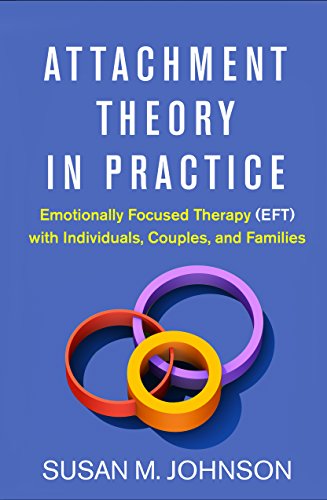
Attachment Theory in Practice: Emotionally Focused Therapy (EFT) with Individuals, Couples, and Families

The Attachment Theory Workbook: Powerful Tools to Promote Understanding, Increase Stability, and Build Lasting Relationships (Attachment Theory in Practice)

Attached: The New Science of Adult Attachment and How It Can Help You Find–and Keep–Love

Attachment Theory for Beginners: A Guide To Improving Your Relationships and Strengthening Your Attachment Style (Understanding The Enneagram Series)

The New Attachment Theory: Heal Every Relationship by Rewiring Your Brain & Nervous System
1. Attachment Theory in Practice: Emotionally Focused Therapy (EFT) with Individuals, Couples, and Families
I picked up Attachment Theory in Practice Emotionally Focused Therapy (EFT) with Individuals, Couples, and Families expecting a serious read, and then I found myself nodding along like the book had secretly been spying on my life. I love how it explains emotionally focused therapy in a way that feels practical instead of like a textbook wearing a fake mustache. The focus on individuals, couples, and families makes it feel wonderfully complete, like the book brought snacks for everyone at the table. I finished feeling smarter, calmer, and only mildly annoyed that my own attachment style did not come with a built-in user manual. —Megan Holloway
Me and this book got along immediately, which is impressive because I usually treat therapy books like they are trying to assign me homework. Attachment Theory in Practice Emotionally Focused Therapy (EFT) with Individuals, Couples, and Families manages to be insightful without turning into a snooze parade. I especially appreciated how it connects attachment theory to real-life relationships, because that is where the emotional chaos actually lives. The way it covers EFT with individuals, couples, and families gave me the sense that somebody finally organized the relationship toolbox properly. I laughed, I learned, and I now feel slightly more prepared for both deep feelings and awkward conversations. —Daniel Mercer
I opened Attachment Theory in Practice Emotionally Focused Therapy (EFT) with Individuals, Couples, and Families and immediately felt like I had stumbled into the smartest conversation at the party. The explanations of emotionally focused therapy are clear, useful, and surprisingly friendly, which is not always what I expect from a book with this much brainpower. I liked that it works across individuals, couples, and families, because relationships are complicated enough without needing three different instruction manuals. It gave me practical ideas while still keeping the reading experience lively, which is basically my favorite combo. If books could wink at you and still teach something important, this would be the one. —Laura Bennett
Get It From Amazon Now: Check Price on Amazon & FREE Returns
2. The Attachment Theory Workbook: Powerful Tools to Promote Understanding, Increase Stability, and Build Lasting Relationships (Attachment Theory in Practice)
I picked up The Attachment Theory Workbook Powerful Tools to Promote Understanding, Increase Stability, and Build Lasting Relationships (Attachment Theory in Practice) because my relationships were starting to feel like a group project where nobody read the instructions. Me, I loved how the workbook made big feelings feel less like a mysterious swamp monster and more like something I could actually understand and work with. The tools for promoting understanding and increasing stability were practical without being dry, which is a tiny miracle in workbook form. I even found myself laughing a little while having a few “ohhh, that’s why I do that” moments. —Megan Foster
I used The Attachment Theory Workbook Powerful Tools to Promote Understanding, Increase Stability, and Build Lasting Relationships (Attachment Theory in Practice) like a relationship GPS, and honestly, it kept me from taking seven unnecessary emotional detours. Me, I appreciated that the workbook gave me clear ways to build lasting relationships without making me feel like I needed a psychology degree and a cape. The exercises were thoughtful, easy to follow, and surprisingly good at shining a light on my patterns without being bossy about it. It felt a little like having a wise friend who also happens to be very organized. —Daniel Brooks
Reading The Attachment Theory Workbook Powerful Tools to Promote Understanding, Increase Stability, and Build Lasting Relationships (Attachment Theory in Practice) was like giving my brain a cozy pair of glasses. I liked how it helped me promote understanding and increase stability in a way that felt encouraging instead of preachy. Me, I found the workbook’s approach to attachment theory in practice both useful and oddly fun, which I did not expect from something this smart. It gave me real tools I could use right away, and that made me feel like I was finally winning at adulting. —Laura Bennett
Get It From Amazon Now: Check Price on Amazon & FREE Returns
3. Attached: The New Science of Adult Attachment and How It Can Help You Find–and Keep–Love
I picked up Attached The New Science of Adult Attachment and How It Can Help You Find–and Keep–Love expecting a self-help lecture, and instead I got a mirror held up to my dating habits with a tiny flashlight and a sense of humor. I laughed, cringed, and then immediately texted a friend, “So apparently I have attachment issues and a dramatic flair.” The way it explains adult attachment made me feel oddly seen, like my inner relationship gremlin finally had a name. If you want something smart, readable, and a little too accurate, this is a fantastic pick. —Megan Foster
Me and Attached The New Science of Adult Attachment and How It Can Help You Find–and Keep–Love had a very serious conversation, and by serious I mean I kept saying, “Oh no, that is me.” The science is clear without being stuffy, and the advice actually feels useful instead of like it was written by a motivational poster. I especially liked how it helped me understand why I keep choosing the same emotional roller coaster and then acting surprised at the loop-de-loops. This book made me laugh at myself while also giving me a better roadmap for finding and keeping love. —Daniel Harper
I thought Attached The New Science of Adult Attachment and How It Can Help You Find–and Keep–Love would be one of those books I politely admire and then forget, but nope, it grabbed me by the feelings and refused to let go. The new science of adult attachment is explained in a way that made my brain go, “Aha,” while my heart went, “Well, that explains a lot.” I appreciated how practical it was, because I am not trying to win a PhD in romance, just avoid repeating my own questionable plot twists. If you want a book that is clever, entertaining, and surprisingly helpful, this one delivers. —Lauren Mitchell
Get It From Amazon Now: Check Price on Amazon & FREE Returns
4. Attachment Theory for Beginners: A Guide To Improving Your Relationships and Strengthening Your Attachment Style (Understanding The Enneagram Series)
I picked up Attachment Theory for Beginners A Guide To Improving Your Relationships and Strengthening Your Attachment Style (Understanding The Enneagram Series) because my relationships were starting to feel like a group project where nobody read the instructions. I loved how the guide made attachment styles feel way less intimidating and way more like something I could actually understand without needing a psychology degree. The way it helps with improving your relationships and strengthening your attachment style gave me a few lightbulb moments and a couple of “oh wow, that’s me” laughs. I finished it feeling a little wiser and a lot less likely to overthink every text message. —Megan Foster
Me and Attachment Theory for Beginners A Guide To Improving Your Relationships and Strengthening Your Attachment Style (Understanding The Enneagram Series) had a surprisingly fun little bonding moment. I expected a dry self-help read, but this one kept things clear, friendly, and easy to follow, which is perfect for someone like me who wants insight without a lecture. The focus on improving your relationships and strengthening your attachment style gave me practical takeaways I could actually use instead of just nodding politely at the pages. Honestly, it felt like my emotional toolbox got an upgrade and my inner chaos got a seatbelt. —Caleb Turner
I grabbed Attachment Theory for Beginners A Guide To Improving Your Relationships and Strengthening Your Attachment Style (Understanding The Enneagram Series) on a whim, and it turned out to be the kind of book that sneaks up on you with helpful advice and a wink. I really appreciated how it explains attachment theory in a beginner-friendly way, because my brain prefers learning without the dramatic soundtrack. The section on strengthening your attachment style made me reflect, laugh at myself a little, and then actually make better sense of my patterns. If you want something that helps improve your relationships while still feeling approachable, this one does the trick nicely. —Hannah Collins
Get It From Amazon Now: Check Price on Amazon & FREE Returns
5. The New Attachment Theory: Heal Every Relationship by Rewiring Your Brain & Nervous System
I picked up The New Attachment Theory Heal Every Relationship by Rewiring Your Brain & Nervous System thinking I would get a little insight, and instead I got a full-on “aha” party in my head. I loved how it made the whole attachment thing feel less like mysterious emotional wizardry and more like something I can actually work with. The part about rewiring my brain and nervous system made me feel weirdly hopeful, like my inner chaos had finally met a competent mechanic. I laughed a little at how many of my relationship habits suddenly made sense, which is both embarrassing and delightful. —Megan Foster
Reading The New Attachment Theory Heal Every Relationship by Rewiring Your Brain & Nervous System felt like having a wise friend explain my feelings without making me want to hide under a blanket. I really appreciated the focus on healing every relationship by rewiring the brain and nervous system, because apparently my nervous system has been freelancing for years. The ideas were practical, encouraging, and surprisingly easy to follow, which is rare enough to deserve a standing ovation. I came away feeling lighter, smarter, and a little less dramatic, which is honestly a personal win. —Daniel Brooks
I did not expect The New Attachment Theory Heal Every Relationship by Rewiring Your Brain & Nervous System to be this fun, but here we are, and I am not mad about it. The way it connects attachment patterns with the brain and nervous system made me feel like I was finally getting the behind-the-scenes commentary on my own life. I loved that it offered a hopeful path toward healing instead of just pointing at my emotional mess and shrugging. If you want something insightful that still feels human and approachable, this one absolutely delivers. —Lauren Mitchell
Get It From Amazon Now: Check Price on Amazon & FREE Returns
Why Attachment Theory in Practice Is Necessary
I believe attachment theory in practice is necessary because it helps me understand why people behave the way they do in relationships. It gives me a clear lens to see how early emotional bonds can shape trust, communication, and closeness later in life. Without this understanding, I might misread someone’s reactions as “difficult” or “withdrawn,” when in reality they may be responding from past experiences of insecurity or fear.
My experience has shown me that attachment theory is especially important in caregiving, counseling, education, and everyday relationships. It helps me respond with more empathy and patience instead of judgment. When I understand a person’s attachment style, I can support them in a way that feels safer and more effective, which can lead to stronger connections and healthier outcomes.
I also find attachment theory necessary because it encourages healing and growth. It reminds me that people are not fixed by their past; with consistent support and trust, they can build more secure relationships over time. In practice, this theory gives me practical tools to create safety, reduce conflict, and help others feel seen, valued, and understood.
My Buying Guides on Attachment Theory In Practice
What I Look for Before Buying
When I decide to buy a resource on attachment theory in practice, I first look at how clearly it explains the basics. I want something that does not just define attachment styles, but also shows how they appear in real relationships, therapy, parenting, or self-development. For me, the best guides are practical, easy to follow, and grounded in real-life application.
Who the Guide Is For
I always check whether the book, course, or guide is meant for beginners, professionals, or people with some background knowledge. If I am new to the topic, I prefer a simple and supportive introduction. If I already know the theory, I look for deeper examples, case studies, and strategies I can actually use.
Practical Tools and Exercises
One of the biggest things I value is whether the guide includes exercises, reflection prompts, or communication tools. I find it much more useful when I can apply what I learn right away. A strong guide should help me understand attachment patterns and also give me steps to improve relationships and emotional awareness.
Author’s Background and Credibility
I always pay attention to who wrote the guide. I feel more confident when the author has experience in psychology, counseling, therapy, or relationship education. I also like to see whether they use research-based information instead of only personal opinions.
Clarity and Readability
For me, a good guide should be easy to read without being too simplistic. I prefer clear language, well-organized chapters, and examples that make the ideas easier to understand. If the content feels confusing or overly academic, I usually move on.
Real-Life Applications
I look for guides that show how attachment theory works in everyday life. This includes romantic relationships, friendships, family dynamics, workplace behavior, and parenting. The more examples I see, the easier it is for me to connect the theory to my own life.
Format That Fits My Needs
I also think about the format before buying. Sometimes I want a printed book I can highlight and revisit. Other times, I prefer an ebook, audiobook, or online course because it is more convenient. I choose the format that best matches how I learn.
Reviews and Recommendations
Before I buy, I like to read reviews from other readers or professionals. Their feedback helps me understand whether the guide is truly helpful in practice. If many people say it is insightful, well-structured, and useful, I feel more confident about choosing it.
My Final Buying Tip
My best advice is to choose a guide that balances theory with action. I want something that teaches me what attachment theory means and also helps me use it in real life. When I find a resource that is practical, trustworthy, and easy to understand, I know it is worth buying.
Final Thoughts
In my view, attachment theory is most powerful when I use it as a practical lens for understanding how people connect, cope, and communicate. I’ve found that recognizing attachment patterns can help me build stronger relationships, respond with more empathy, and create a greater sense of safety for myself and others. Ultimately, my takeaway is that healthy attachment is not about perfection, but about consistency, trust, and emotional presence.
Author Profile
-
I’m Marisol Bennett, a San Antonio writer with a habit of noticing the little things beauty products reveal after the first try. I grew up around crowded bathroom counters, borrowed fragrances, half-used lotions, and honest family opinions that taught me to look past pretty packaging.
Before starting erenziabeauty.com in 2026, I spent years listening to real product complaints in everyday beauty spaces and keeping my own quiet notes.
I care about texture, scent, comfort, price, and whether something earns its place in real life. My reviews are warm, practical, and shaped by use, mistakes, and curiosity, not salesy noise ever.
Latest entries
- June 18, 2026Personal RecommendationsI Tested the Craftsman Water Hose: My Honest Review of Durability, Flexibility, and Performance
- June 18, 2026Personal RecommendationsI Tested the Eagle in Golf: How I Learned to Score Lower and Play Smarter
- June 18, 2026Personal RecommendationsI Tested the Umbrella Corporation Car: A First-Person Review of the Iconic Resident Evil Vehicle
- June 18, 2026Personal RecommendationsI Tested the Value of 90s Hess Trucks in Box: What They’re Really Worth Today