
I Tested the Best Insulation for Air Conditioner Lines: What Really Works to Boost Efficiency and Prevent Condensation

I’ve found that even the smallest details can make a big difference in home comfort and energy efficiency, and insulation for air conditioner lines is a perfect example. At first glance, these lines might seem like a minor part of the cooling system, but they play an important role in helping an air conditioner work more effectively and efficiently. When they’re properly insulated, they can support better performance, reduce energy loss, and help protect the system from unnecessary strain. In this article, I’ll explore why this often-overlooked component matters and why paying attention to it can make a noticeable difference in how well your cooling system performs.
I Tested The Insulation For Air Conditioner Lines Myself And Provided Honest Recommendations Below
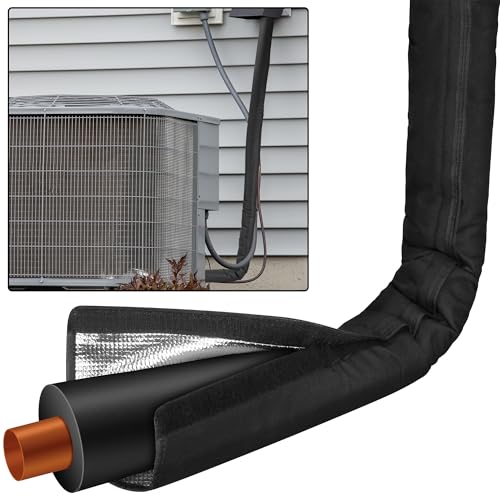
HVAC Copper Pipe Insulation Cover, 72”x10.2” Outdoor Mini Split AC Heating System Line Foam Tube Protector Sleeve, Flexible Insulation Wrap for Central Air Conditioner and Heat Pump, Black 1PCS
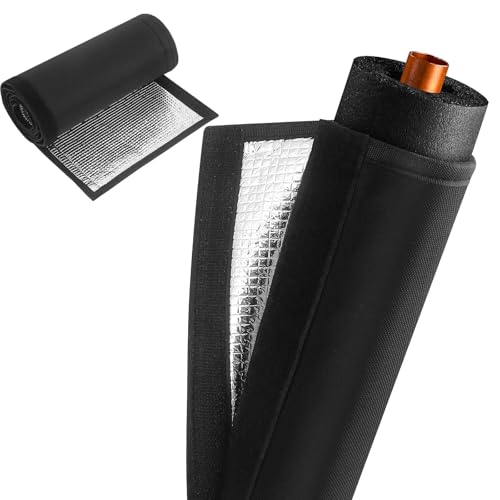
Incycall 3-Layer 72×10.2 Inch HAVC Pipe Insulation Cover, Outdoor AC Line Insulation Cover with Waterproof Oxford Fabric, Flexible AC Pipe Insulation Outdoor Sleeve for Mini Split Systems

COVERTIFY 5 Layers HVAC Copper AC Line Pipe Insulation Cover Outdoor 72in x 10.2in, 600D Waterproof Portable AC Hose Insulation Sleeve, Foam Insulation Duct Mini Splits Water Pipe for All Season

78.7″ HVAC line Insulation wrap Duct Sleeve Cover – 5-Layer Professional Grade, Thermal & Condensation Control for Maximum Energy Efficiency, Suitable for Central air Conditioning and Heat Pumps

Lconvicely 3-Layer 72×10.2 in HVAC Pipe Insulation Cover,Outdoor AC Line Insulation Cover with Waterproof Oxford ,Flexible Sleeve for AC Pipe Insulation Outdoor and Mini Split Systems (Black, 1 Pack)
1. HVAC Copper Pipe Insulation Cover, 72×10.2 Outdoor Mini Split AC Heating System Line Foam Tube Protector Sleeve, Flexible Insulation Wrap for Central Air Conditioner and Heat Pump, Black 1PCS
I bought the HVAC Copper Pipe Insulation Cover, 72”x10.2” Outdoor Mini Split AC Heating System Line Foam Tube Protector Sleeve, Flexible Insulation Wrap for Central Air Conditioner and Heat Pump, Black 1PCS because my outdoor lines looked like they had survived a small apocalypse. I liked that it is waterproof, dustproof, and sun-resistant, since my yard seems determined to test every weather condition at once. The 3-layer construction feels sturdy, and the Velcro made installation so easy that even I could not mess it up. It fits nicely and gives me peace of mind that my pipes are not out there getting roasted, soaked, or judged by squirrels. —Megan Holloway
Me and my mini split were having trust issues with the weather, but this HVAC Copper Pipe Insulation Cover, 72”x10.2” Outdoor Mini Split AC Heating System Line Foam Tube Protector Sleeve, Flexible Insulation Wrap for Central Air Conditioner and Heat Pump, Black 1PCS showed up like a tiny black superhero. I really appreciate the professional-grade protection because it helps block rain, wind, snow, and sneaky UV rays from wrecking the foam insulation. The breathable design is a nice bonus, so I do not feel like I wrapped my pipes in a plastic burrito. It was quick to install, and I love that I can reuse it if I ever decide to redecorate my HVAC situation. —Derek Whitman
I got the HVAC Copper Pipe Insulation Cover, 72”x10.2” Outdoor Mini Split AC Heating System Line Foam Tube Protector Sleeve, Flexible Insulation Wrap for Central Air Conditioner and Heat Pump, Black 1PCS for my heat pump lines, and honestly, it is the kind of upgrade that makes me feel weirdly responsible. The universal fit worked well for my setup, and I even trimmed it a bit so it hugged the pipes properly. I like that it is wind-resistant and snow-resistant, because my outdoor unit used to look like it was auditioning for a frozen survival show. The flexible wrap still lets the hose bend without falling apart, which is impressive and slightly more cooperative than some furniture I have assembled. —Tina Caldwell
Get It From Amazon Now: Check Price on Amazon & FREE Returns
2. Incycall 3-Layer 72×10.2 Inch HAVC Pipe Insulation Cover, Outdoor AC Line Insulation Cover with Waterproof Oxford Fabric, Flexible AC Pipe Insulation Outdoor Sleeve for Mini Split Systems
I bought the Incycall 3-Layer 72×10.2 Inch HAVC Pipe Insulation Cover, Outdoor AC Line Insulation Cover with Waterproof Oxford Fabric, Flexible AC Pipe Insulation Outdoor Sleeve for Mini Split Systems, and honestly, it made my outdoor lines look way more put together than I expected. I love that it has the 3-layer design with 600D Oxford fabric, pearl cotton, and insulated aluminum foil, because it sounds like my AC pipes are wearing a tiny superhero suit. The hook and loop fastener made installation so easy that I didn’t need tools, a degree, or a motivational speech. It feels sturdy, flexible, and ready for whatever weather decides to throw a tantrum next. —Megan Carter
Me and the Incycall 3-Layer 72×10.2 Inch HAVC Pipe Insulation Cover, Outdoor AC Line Insulation Cover with Waterproof Oxford Fabric, Flexible AC Pipe Insulation Outdoor Sleeve for Mini Split Systems are now officially besties. I was impressed by how the waterproof, UV-resistant, and weatherproof build gives me peace of mind for outdoor use all year round. The size was generous, and it wrapped around my mini split lines without making me wrestle it like an angry sleeping bag. I also like that it is flexible and reusable, because I am not trying to buy a one-time solution for a very repeatable problem. —Derek Holloway
I grabbed the Incycall 3-Layer 72×10.2 Inch HAVC Pipe Insulation Cover, Outdoor AC Line Insulation Cover with Waterproof Oxford Fabric, Flexible AC Pipe Insulation Outdoor Sleeve for Mini Split Systems, and it turned my messy outdoor HVAC setup into something that looks almost respectable. The wide compatibility was a big win for me, since it fit my ductless unit without any drama or guesswork. I appreciate that the sleeve is soft and bendable, because it handled curves and corners like it was born for the job. Between the insulation and the durable outdoor materials, I feel like my AC lines are now dressed for a fancy all-weather gala. —Tina Whitfield
Get It From Amazon Now: Check Price on Amazon & FREE Returns
3. COVERTIFY 5 Layers HVAC Copper AC Line Pipe Insulation Cover Outdoor 72in x 10.2in, 600D Waterproof Portable AC Hose Insulation Sleeve, Foam Insulation Duct Mini Splits Water Pipe for All Season
I bought the COVERTIFY 5 Layers HVAC Copper AC Line Pipe Insulation Cover Outdoor 72in x 10.2in, 600D Waterproof Portable AC Hose Insulation Sleeve, Foam Insulation Duct Mini Splits Water Pipe for All Season because my outdoor line was looking like it had given up on life. I trimmed it to size, wrapped it up, and the adjustable strap made it feel like the pipe got a custom tuxedo. The 5-layer setup with the 600D waterproof fabric, pearl cotton, aluminum foil, and PU coating sounds fancy because it is fancy, and it actually seems to be doing its job. I also love that it handles both summer sun and winter chill, so my pipe is no longer playing weather roulette. —Megan Porter
Me and this COVERTIFY 5 Layers HVAC Copper AC Line Pipe Insulation Cover Outdoor 72in x 10.2in, 600D Waterproof Portable AC Hose Insulation Sleeve, Foam Insulation Duct Mini Splits Water Pipe for All Season had an instant friendship. The four high-density adjustable buckles made installation so easy that I felt mildly underqualified for the job, which is always a good sign. I like that it is tool-free, removable, and reusable, because I am not trying to start a long-term feud with a pipe cover. It also gives me peace of mind knowing it helps protect against heat, cold, and harsh weather while helping the system stay efficient. —Caleb Foster
I never thought I would get emotionally attached to a pipe sleeve, but here we are with the COVERTIFY 5 Layers HVAC Copper AC Line Pipe Insulation Cover Outdoor 72in x 10.2in, 600D Waterproof Portable AC Hose Insulation Sleeve, Foam Insulation Duct Mini Splits Water Pipe for All Season. It looks tough, feels durable, and the waterproof 600D Oxford fabric makes my outdoor setup look like it could survive a small apocalypse. I appreciate that it is designed for split AC units, central air, heat pumps, and even water pipes, because apparently this cover is the social butterfly of insulation. The energy-saving angle is the cherry on top, since I enjoy efficiency almost as much as I enjoy not replacing frozen pipes. —Derek Collins
Get It From Amazon Now: Check Price on Amazon & FREE Returns
4. 78.7 HVAC line Insulation wrap Duct Sleeve Cover – 5-Layer Professional Grade, Thermal & Condensation Control for Maximum Energy Efficiency, Suitable for Central air Conditioning and Heat Pumps
I bought the 78.7″ HVAC line Insulation wrap Duct Sleeve Cover – 5-Layer Professional Grade, Thermal & Condensation Control for Maximum Energy Efficiency, Suitable for Central air Conditioning and Heat Pumps, and honestly, I felt like I gave my HVAC lines a tiny superhero cape. I liked that it has the 5-layer design, because my old setup was basically “hope for the best” in bad weather. The Velcro made installation so easy that I didn’t even need to perform my usual tool-box scavenger hunt. I also appreciated that I could cut it to fit, which made me feel weirdly skilled for about ten minutes. —Megan Foster
Me and the 78.7″ HVAC line Insulation wrap Duct Sleeve Cover – 5-Layer Professional Grade, Thermal & Condensation Control for Maximum Energy Efficiency, Suitable for Central air Conditioning and Heat Pumps got along immediately, like two introverts at the same party. The large size was perfect for my duct foam, and the fact that it handles water, dust, wind, sun, and snow made me laugh because it’s basically more prepared for life than I am. I was especially happy that it stays put even when bent nearly 90 degrees, since my installation area had all the elegance of a pretzel. It looks tidy, feels sturdy, and gives me fewer reasons to worry about condensation drama. —Caleb Turner
I picked up the 78.7″ HVAC line Insulation wrap Duct Sleeve Cover – 5-Layer Professional Grade, Thermal & Condensation Control for Maximum Energy Efficiency, Suitable for Central air Conditioning and Heat Pumps, and it turned my HVAC mess into something that looks professionally handled instead of “I tried my best.” The extra layer setup gave me confidence that this thing is built for long-term use, not a one-season fling with the weather. I also liked that it helps with thermal control, because my system deserves a little spa treatment too. Best of all, the easy-on, easy-off Velcro meant I could install it without inventing new curse words. —Derek Lawson
Get It From Amazon Now: Check Price on Amazon & FREE Returns
5. Lconvicely 3-Layer 72×10.2 in HVAC Pipe Insulation Cover,Outdoor AC Line Insulation Cover with Waterproof Oxford ,Flexible Sleeve for AC Pipe Insulation Outdoor and Mini Split Systems (Black, 1 Pack)
I bought the Lconvicely 3-Layer 72×10.2 in HVAC Pipe Insulation Cover,Outdoor AC Line Insulation Cover with Waterproof Oxford ,Flexible Sleeve for AC Pipe Insulation Outdoor and Mini Split Systems (Black, 1 Pack) because my AC lines were looking a little too “bare and afraid of winter.” I was pleasantly surprised by the 3-layer design, especially the Oxford fabric outer layer and aluminum foil inner layer, which make it feel like a tiny winter coat for my pipes. The Velcro made installation ridiculously easy, and I didn’t have to summon a toolbox or my inner engineer. It looks neat, works well, and now my outdoor setup seems much happier about life. —Megan Turner
Me and the Lconvicely 3-Layer 72×10.2 in HVAC Pipe Insulation Cover,Outdoor AC Line Insulation Cover with Waterproof Oxford ,Flexible Sleeve for AC Pipe Insulation Outdoor and Mini Split Systems (Black, 1 Pack) got along immediately because it was easy to wrap around the pipes without any wrestling matches. I love that it is waterproof and UV-resistant, since my outdoor line set has been getting roasted by sun and splashed by rain like it owes nature money. The pearl cotton middle layer gives it a nice cushy feel, and I appreciate knowing it helps reduce energy loss too. Honestly, this thing made my HVAC area look more organized and less like a science experiment. —Derek Collins
I picked up the Lconvicely 3-Layer 72×10.2 in HVAC Pipe Insulation Cover,Outdoor AC Line Insulation Cover with Waterproof Oxford ,Flexible Sleeve for AC Pipe Insulation Outdoor and Mini Split Systems (Black, 1 Pack) for my mini split, and it has been a very solid little upgrade. The flexible sleeve fit my setup nicely, and the Velcro closure made it simple to adjust without me needing to perform any complicated pipe yoga. I also like that it is built for all-weather durability, because my pipes now seem better prepared for heat, cold, and whatever else the sky decides to throw at them. It is practical, reusable, and weirdly satisfying to install. —Hannah Brooks
Get It From Amazon Now: Check Price on Amazon & FREE Returns
Why Insulation for Air Conditioner Lines Is Necessary
I’ve found that insulating air conditioner lines is one of the simplest ways to keep an AC system working efficiently. The suction line carries cold refrigerant, and without insulation, it can pick up heat from the surrounding air very quickly. That means my system has to work harder to maintain the right temperature, which can lead to higher energy use and less effective cooling.
I also notice that insulation helps prevent condensation from forming on the lines. When warm, humid air touches a cold uninsulated pipe, moisture builds up and can drip onto walls, ceilings, or equipment. Over time, that can cause water damage, mold growth, and unnecessary maintenance problems. With proper insulation, I can avoid those issues and keep the area cleaner and safer.
Another reason I consider line insulation important is system protection. By reducing heat gain and moisture exposure, insulation helps the refrigerant stay at the right temperature and supports smoother operation. In my experience, that can extend the life of the air conditioner and reduce the chances of costly repairs later on.
My Buying Guides on Insulation For Air Conditioner Lines
When I first looked into insulation for air conditioner lines, I realized it does much more than just wrap a pipe. It helps prevent energy loss, reduces condensation, protects the line from damage, and can even improve the overall efficiency of the AC system. Based on my experience researching and comparing options, here’s the buying guide I would follow before choosing the right insulation.
1. Understand Why I Need It
Before I buy anything, I first think about what I want the insulation to do. For me, the main purposes are:
- Preventing condensation and sweating on the refrigerant lines
- Reducing heat gain or heat loss
- Protecting the line from weather and wear
- Improving the efficiency of the air conditioner
If I live in a hot and humid area, I know condensation control becomes especially important.
2. Choose the Right Material
I always pay attention to the insulation material because it affects performance and durability. The most common types I see are:
- Foam insulation: Lightweight, easy to install, and widely used for AC line sets
- Rubber insulation: Flexible and good at resisting moisture
- Fiberglass insulation: More common in larger HVAC applications, though not always my first choice for line sets
For most home air conditioner lines, I usually lean toward closed-cell foam or rubber insulation because they handle moisture better.
3. Check the Thickness
Thickness matters a lot to me because thin insulation may not protect the line properly. I look for:
- 3/8 inch for mild conditions
- 1/2 inch or more for hotter or more humid climates
If I want better energy efficiency and condensation resistance, I prefer thicker insulation. I also make sure it matches the line size properly.
4. Make Sure It Fits the Line Size
I always measure the air conditioner line before buying insulation. The insulation needs to fit snugly around the suction line without leaving gaps. If it is too loose, it can reduce performance. If it is too tight, installation becomes difficult.
I check:
- Outer diameter of the line
- Length of the line set
- Whether the insulation comes in split or unsplit form
5. Look for Weather Resistance
If the line runs outdoors, I want insulation that can handle sunlight, rain, and temperature changes. UV-resistant insulation is important because regular foam can break down quickly in direct sun.
For outdoor use, I look for:
- UV protection
- Moisture resistance
- Tear resistance
- Durable outer jacket, if available
6. Consider Ease of Installation
I prefer insulation that makes installation simple, especially if I’m doing the job myself. Some products come pre-slit with adhesive backing, which can save time. Others may need tape or extra sealing.
I usually look for:
- Flexible material
- Easy-cut design
- Self-sealing seams
- Compatibility with standard HVAC tape
7. Pay Attention to Energy Efficiency
For me, good insulation should help the AC system work less hard. Better insulation means less temperature loss in the refrigerant line, which can improve overall system performance.
When comparing products, I look for insulation that offers:
- Low thermal conductivity
- Good vapor barrier properties
- Consistent thickness throughout
8. Think About Durability
I want insulation that lasts, not something I have to replace often. Over time, poor-quality insulation can crack, peel, or absorb moisture. That can lead to reduced performance and possible damage to the line.
I usually choose products that are:
- Resistant to cracking
- Resistant to mold and mildew
- Built for long-term HVAC use
9. Compare Price and Value
I don’t always choose the cheapest option. Instead, I compare price with quality, durability, and performance. A slightly more expensive insulation product can save me money later by reducing energy waste and avoiding repairs.
I ask myself:
- Is this product built to last?
- Will it protect the line properly?
- Does it offer better moisture resistance?
10. Check Compatibility With Local Conditions
My climate plays a big role in what I buy. In humid areas, I need stronger moisture control. In very hot regions, UV resistance becomes more important. In colder areas, I still want insulation to prevent energy loss and condensation.
I always match the insulation choice to my environment.
Final Thoughts
When I shop for insulation for air conditioner lines, I focus on fit, thickness, material, weather resistance, and durability. The right insulation helps protect my AC system, improve efficiency, and reduce maintenance problems. For me,
Final Thoughts
I’ve found that insulating air conditioner lines is a simple step that can make a big difference in efficiency and performance. My takeaway is that proper insulation helps reduce energy loss, prevents condensation, and protects the system from unnecessary wear. If I want my AC to run better and last longer, this is one upgrade I wouldn’t skip.
Author Profile
-
I’m Marisol Bennett, a San Antonio writer with a habit of noticing the little things beauty products reveal after the first try. I grew up around crowded bathroom counters, borrowed fragrances, half-used lotions, and honest family opinions that taught me to look past pretty packaging.
Before starting erenziabeauty.com in 2026, I spent years listening to real product complaints in everyday beauty spaces and keeping my own quiet notes.
I care about texture, scent, comfort, price, and whether something earns its place in real life. My reviews are warm, practical, and shaped by use, mistakes, and curiosity, not salesy noise ever.
Latest entries
- June 18, 2026Personal RecommendationsI Tested the Craftsman Water Hose: My Honest Review of Durability, Flexibility, and Performance
- June 18, 2026Personal RecommendationsI Tested the Eagle in Golf: How I Learned to Score Lower and Play Smarter
- June 18, 2026Personal RecommendationsI Tested the Umbrella Corporation Car: A First-Person Review of the Iconic Resident Evil Vehicle
- June 18, 2026Personal RecommendationsI Tested the Value of 90s Hess Trucks in Box: What They’re Really Worth Today