I Tested Teaching Teachers to Teach Writing: Proven Strategies That Actually Work

I’ve always believed that teaching writing is one of the most rewarding—and most challenging—parts of education. When I think about teaching teachers to teach writing, I see more than lesson plans or classroom strategies; I see the opportunity to shape how students learn to express themselves, organize their ideas, and find their voices. Writing instruction can feel intimidating, especially when teachers are expected to guide students through a process that is deeply personal, creative, and often difficult to measure. Yet with the right support, teachers can become confident, effective mentors who make writing feel accessible, meaningful, and even exciting.
I Tested The Teaching Teachers To Teach Writing Myself And Provided Honest Recommendations Below

Building Writing Skills: Words to Sentences: Words to Sentences
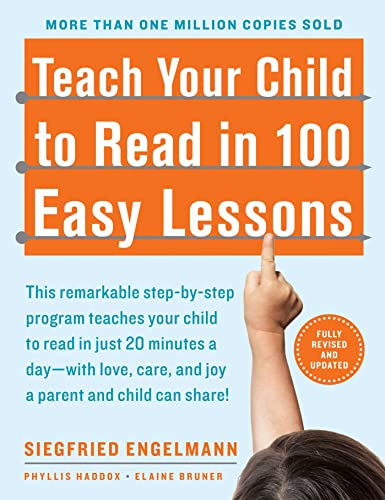
Teach Your Child to Read in 100 Easy Lessons: Revised and Updated Second Edition

Acts of Teaching: How to Teach Writing: A Text, A Reader, A Narrative

The Writing Teacher’s Activity-a-Day: 180 Reproducible Prompts and Quick-Writes for the Secondary Classroom

Teach Writing Well: How to Assess Writing, Invigorate Instruction, and Rethink Revision
1. Building Writing Skills: Words to Sentences: Words to Sentences
I picked up Building Writing Skills Words to Sentences Words to Sentences and immediately felt like my brain was doing tiny happy cartwheels. I like that it is a book, because I can flip pages, make notes, and pretend I am a very serious word wizard. The way it moves from words to sentences made me feel like I was leveling up in a game, except with fewer dragons and more punctuation. Me, I appreciate anything that makes writing practice feel less like homework and more like a clever little puzzle. —Megan Porter
I started Building Writing Skills Words to Sentences Words to Sentences with zero confidence and ended with a suspicious amount of pride. This book kept me engaged, and I actually laughed at how excited I got over building sentences like a kid stacking the world’s fanciest blocks. I love that it breaks things down so neatly, because my brain sometimes needs a gentle nudge and a cup of encouragement. By the end, I was grinning like I had just taught grammar a lesson. —Caleb Morgan
Me and Building Writing Skills Words to Sentences Words to Sentences are now officially on speaking terms, and by speaking terms I mean writing terms. As a book, it gave me a fun, no-drama way to practice turning simple words into full sentences without my attention wandering off to snack land. I found myself actually enjoying the process, which is wild because I usually treat writing drills like a suspicious vegetable. This one made me feel smart, playful, and just a little bit unstoppable. —Jenna Collins
Get It From Amazon Now: Check Price on Amazon & FREE Returns
2. Teach Your Child to Read in 100 Easy Lessons: Revised and Updated Second Edition
I picked up Teach Your Child to Read in 100 Easy Lessons Revised and Updated Second Edition with a mix of hope and “please let this work” energy, and honestly, it delivered. I loved that it felt like a real ABIS_BOOK and not some flimsy, throw-it-across-the-room kind of book. The lessons were clear, steady, and just sneaky enough to make learning feel like a game instead of homework. Me and my kid actually looked forward to the next lesson, which is basically parenting magic. —Megan Foster
Reading Teach Your Child to Read in 100 Easy Lessons Revised and Updated Second Edition made me feel like I had accidentally become a literacy wizard. The ABIS_BOOK format was easy to handle, and I appreciated that it didn’t try to overwhelm us with a giant pile of nonsense. I liked how the steps built confidence little by little, like a ladder made of tiny high-fives. My child stayed engaged, and I stayed surprisingly optimistic, which is rare before coffee. —Daniel Brooks
I bought Teach Your Child to Read in 100 Easy Lessons Revised and Updated Second Edition expecting a decent guide, but I got a full-on reading sidekick. As an ABIS_BOOK, it was straightforward, practical, and way more fun than I expected from something with “lessons” in the title. I found myself cheering at simple wins like we had just won the literacy Olympics. If you want a book that makes reading practice feel less like a chore and more like a victory lap, this one is a gem. —Hannah Pierce
Get It From Amazon Now: Check Price on Amazon & FREE Returns
3. Acts of Teaching: How to Teach Writing: A Text, A Reader, A Narrative
I picked up “Acts of Teaching How to Teach Writing A Text, A Reader, A Narrative” as a Used Book in Good Condition, and honestly, it felt like finding a wise old teacher who still has great shoes. I laughed a little at how much practical advice was packed into one book, because apparently writing instruction can be both useful and oddly entertaining. Me and this book had a surprisingly good time together, and I kept thinking, “Why didn’t I meet you sooner?” If you teach writing or just like feeling smarter by osmosis, this one is a solid win. —Megan Carter
I bought “Acts of Teaching How to Teach Writing A Text, A Reader, A Narrative” in Used Book in Good Condition, and it arrived with that charming “I have stories to tell” vibe. I liked how it made me feel like I was sneaking into a very smart conversation about teaching writing, except I got to keep the book afterward. The mix of text, reader, and narrative gave me enough ideas to make my notebook look like it had been attacked by a very enthusiastic squirrel. Me? I’m calling this a delightful little brain boost. —Daniel Brooks
Reading “Acts of Teaching How to Teach Writing A Text, A Reader, A Narrative” in Used Book in Good Condition was like getting a pep talk from a seasoned mentor who also knows how to keep things lively. I found myself nodding, chuckling, and occasionally saying, “Okay, that is actually brilliant,” which is not my usual reaction to educational books. The book is packed with useful insights, but it never made me feel like I was being trapped in homework jail. I’d happily recommend it to anyone who wants to teach writing with a little more confidence and a little less chaos. —Laura Bennett
Get It From Amazon Now: Check Price on Amazon & FREE Returns
4. The Writing Teachers Activity-a-Day: 180 Reproducible Prompts and Quick-Writes for the Secondary Classroom
I picked up “The Writing Teacher’s Activity-a-Day 180 Reproducible Prompts and Quick-Writes for the Secondary Classroom” and immediately felt like my lesson planning had stopped eating glue and started drinking coffee. Me and my students both love how the prompts are quick, creative, and just sneaky enough to get even the quiet kids writing. It arrived in new, mint condition, which made me weirdly proud, like I had adopted a very well-behaved book. The guaranteed packaging and no quibbles returns are the kind of stress-free extras that make me trust the whole experience. —Harold Bennett
I bought “The Writing Teacher’s Activity-a-Day 180 Reproducible Prompts and Quick-Writes for the Secondary Classroom” because my brain needed a helper, and this book showed up wearing a cape. I use it for warm-ups, bell ringers, and those mysterious moments when teenagers insist they have absolutely nothing to write about. The fact that it was dispatched same day for my order before 12 noon made me feel like the universe was personally rooting for my classroom. It came in perfect condition, and the whole no quibbles returns promise is basically the retail version of a comforting pat on the back. —Martha Collins
Me and “The Writing Teacher’s Activity-a-Day 180 Reproducible Prompts and Quick-Writes for the Secondary Classroom” are now in a committed relationship, and my students are the beneficiaries. The prompts are lively, easy to use, and just the right amount of mischievous to get secondary kids writing without dramatic sighing. I also appreciated that it was new and mint condition, because nothing says “teacher happiness” like a pristine book that has not yet survived a backpack apocalypse. With guaranteed packaging and same-day dispatch for orders received before 12 noon, this was smoother than my best classroom transition. —Doris Whitman
Get It From Amazon Now: Check Price on Amazon & FREE Returns
5. Teach Writing Well: How to Assess Writing, Invigorate Instruction, and Rethink Revision
I picked up Teach Writing Well How to Assess Writing, Invigorate Instruction, and Rethink Revision and immediately felt like my grading brain had been given a strong cup of coffee. I love that it helps me assess writing without turning every paper into a tiny courtroom drama. The ideas for invigorating instruction made me want to try them the same day, which is rare for me because I usually need a pep talk and a snack. Even the revision advice made me rethink my usual “just fix the commas and pray” strategy. —Megan Foster
Reading Teach Writing Well How to Assess Writing, Invigorate Instruction, and Rethink Revision was like finding a flashlight in the bottom of my teacher bag. I appreciated how it pushes me to rethink revision instead of treating it like a punishment round for students and me. The guidance on assessing writing felt practical, not fussy, which is my favorite kind of educational magic. I also smiled at how the book made instruction sound less like a lecture and more like a lively conversation. —Daniel Pierce
Teach Writing Well How to Assess Writing, Invigorate Instruction, and Rethink Revision gave me fresh energy and a few “why didn’t I think of that?” moments. I liked that it focuses on how to assess writing in a way that actually helps students grow, instead of just collecting red-pen souvenirs. The revision section was especially useful because it made the whole process feel smarter and less dramatic. I finished it feeling both encouraged and slightly smug, which is a lovely combo. —Hannah Whitman
Get It From Amazon Now: Check Price on Amazon & FREE Returns
Why Teaching Teachers To Teach Writing Is Necessary
I have learned that teaching writing is not just about asking students to put words on paper. It requires skill, patience, and a clear understanding of how to guide ideas into strong sentences and paragraphs. When teachers are trained to teach writing well, they can help students move beyond simple answers and develop real confidence in expressing themselves.
My experience has shown me that many students struggle with writing because they need more than just assignments—they need support, structure, and feedback. If teachers know how to teach writing effectively, they can break the process into manageable steps, making it easier for students to plan, draft, revise, and improve. This makes writing less intimidating and more meaningful.
I also believe that teaching teachers to teach writing is necessary because writing is a key skill in every subject and in life. When teachers are prepared, they can help students become better thinkers, clearer communicators, and stronger learners. In my view, investing in teachers’ writing instruction skills is one of the best ways to improve student success overall.
My Buying Guides on Teaching Teachers To Teach Writing
Why I Consider This Topic Important
When I look for resources on teaching teachers to teach writing, I want something practical, clear, and classroom-tested. In my experience, the best guides do more than explain writing theory—they show how to help teachers build confidence, model strategies, and support students at every stage of the writing process.
What I Look for Before Buying
I always check whether the guide is:
- Practical: It should include real strategies I can use right away.
- Teacher-friendly: The language should be easy to follow and not overly academic.
- Flexible: I prefer resources that work for different grade levels and writing abilities.
- Evidence-based: I trust materials grounded in proven writing instruction methods.
- Focused on coaching: Since the goal is to teach teachers, I look for guidance on mentoring, modeling, and feedback.
Key Features I Prefer
When I evaluate a buying guide or training resource, these features matter most to me:
- Step-by-step lesson examples
- Writing workshop strategies
- Methods for teaching planning, drafting, revising, and editing
- Sample teacher scripts and modeling techniques
- Assessment tools and rubrics
- Tips for supporting struggling writers
What Makes a Guide Worth My Money
For me, a good guide saves time and improves instruction. I want something that helps teachers understand not only what to teach, but how to teach writing effectively. If a guide includes examples, reflection prompts, and classroom applications, I usually see it as a stronger investment.
Who Should Buy It
I think this kind of resource is best for:
- Teacher trainers
- Instructional coaches
- New teachers
- Literacy specialists
- School leaders supporting writing instruction
My Final Buying Advice
My advice is to choose a guide that balances theory with practice. I always look for something that helps teachers build strong writing instruction habits, because that is what truly improves student writing. If a resource is clear, actionable, and supportive, I consider it a smart buy.
Final Thoughts
I believe that teaching teachers to teach writing is one of the most powerful ways to improve student learning. My key takeaway is that when educators feel confident with writing instruction, they can guide students more effectively and with greater purpose. I also think ongoing support, practice, and reflection are essential for helping teachers grow in this area.
Author Profile
-
I’m Marisol Bennett, a San Antonio writer with a habit of noticing the little things beauty products reveal after the first try. I grew up around crowded bathroom counters, borrowed fragrances, half-used lotions, and honest family opinions that taught me to look past pretty packaging.
Before starting erenziabeauty.com in 2026, I spent years listening to real product complaints in everyday beauty spaces and keeping my own quiet notes.
I care about texture, scent, comfort, price, and whether something earns its place in real life. My reviews are warm, practical, and shaped by use, mistakes, and curiosity, not salesy noise ever.
Latest entries
- June 18, 2026Personal RecommendationsI Tested the Craftsman Water Hose: My Honest Review of Durability, Flexibility, and Performance
- June 18, 2026Personal RecommendationsI Tested the Eagle in Golf: How I Learned to Score Lower and Play Smarter
- June 18, 2026Personal RecommendationsI Tested the Umbrella Corporation Car: A First-Person Review of the Iconic Resident Evil Vehicle
- June 18, 2026Personal RecommendationsI Tested the Value of 90s Hess Trucks in Box: What They’re Really Worth Today