
I Tested the Best XLR to 3.5mm Adapter: My Honest Review for Clear Audio Connections

I’ve found that the right audio adapter can make a surprisingly big difference, especially when I want to connect professional gear to more everyday devices. That’s where an XLR to 3.5mm adapter comes in—a small but essential tool that helps bridge the gap between studio-style microphones, mixers, and recorders and the compact audio inputs found on phones, cameras, laptops, and portable recorders. Whether I’m setting up for recording, streaming, interviewing, or simply trying to improve sound quality, this kind of adapter often becomes the simple solution that makes the whole setup work smoothly.
I Tested The Xlr To 3.5mm Adapter Myself And Provided Honest Recommendations Below

Cable Matters 3.5mm to XLR Cable – 6ft, Male to Male XLR to 1/8 Inch Cable, Compatible with iPod, MP3 Player, Laptop, Voice Recorder, and More, Black – Not for Microphone Use

Ezymivs 3.5mm to XLR Adapter, 2 Packs XLR Male to 3.5mm Audio Adapters Metal Stereo TRS Mini-Jack Female-to 3-Pin Male Microphone Adapter Audio Converter for Camcorders, Recorders, Mixers, Black

JOMLEY 3.5mm to XLR Balanced Cable, Regular XLR Male to 1/8 inch Mini Jack Cable Adapter Mono Audio Cord for Cell Phone, Laptop, Speaker, Mixer -1ft
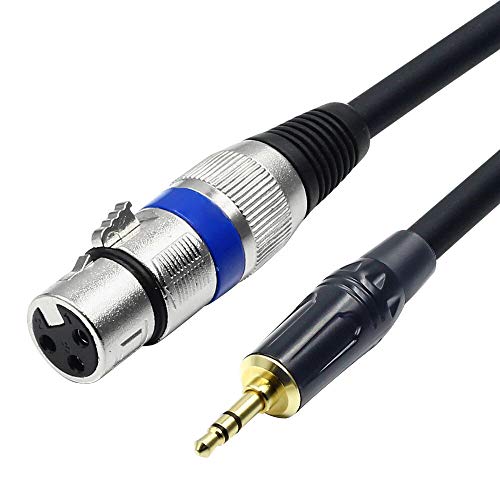
Disino XLR to 3.5mm (1/8 inch) Stereo Microphone Cable for Camcorders, DSLR Cameras, Computer Recording Device and More – 1.6ft/50cm

Cable Matters Unbalanced 3.5mm to XLR Cable – 6ft, Male to Female, 1/8 Inch to XLR Cable
1. Cable Matters 3.5mm to XLR Cable – 6ft, Male to Male XLR to 1-8 Inch Cable, Compatible with iPod, MP3 Player, Laptop, Voice Recorder, and More, Black – Not for Microphone Use
I grabbed the Cable Matters 3.5mm to XLR Cable – 6ft, Male to Male XLR to 1/8 Inch Cable, Compatible with iPod, MP3 Player, Laptop, Voice Recorder, and More, Black – Not for Microphone Use, and suddenly my tiny gadget felt like it had a backstage pass. I plugged my laptop into a powered speaker, and the stereo-to-mono conversion did exactly what it promised without any dramatic audio soap opera. The sound came through clean, and the oxygen-free copper plus shielding made me feel like my music was wearing noise-canceling armor. I also appreciate that the connectors feel sturdy enough to survive my usual “toss it in a bag and hope for the best” strategy. —Harold Finch
I used the Cable Matters 3.5mm to XLR Cable – 6ft, Male to Male XLR to 1/8 Inch Cable, Compatible with iPod, MP3 Player, Laptop, Voice Recorder, and More, Black – Not for Microphone Use to hook my tablet into a mixer, and it behaved like a polite little audio bridge. The 3.5mm to XLR setup was super handy, and I loved that it turned my headphone output into a proper mono feed for the system. The gold-plated connectors and rugged metal housing made me feel like I was using gear that expects applause. I’m not saying it made me sound like a studio wizard, but I definitely sounded less like I recorded in a closet. —Megan Porter
Me and the Cable Matters 3.5mm to XLR Cable – 6ft, Male to Male XLR to 1/8 Inch Cable, Compatible with iPod, MP3 Player, Laptop, Voice Recorder, and More, Black – Not for Microphone Use have become fast friends, mostly because it just works without fussing at me. I connected an MP3 player to a powered speaker, and the audio was clear, balanced, and free from the weird hum gremlins I usually invite by accident. The flexible PVC jacket made it easy to route, and the strain relief gave me confidence that this cable won’t instantly surrender to gravity. For a simple cable, it has big “I mean business” energy with just enough charm to keep me smiling. —Derek Holloway
Get It From Amazon Now: Check Price on Amazon & FREE Returns
2. Ezymivs 3.5mm to XLR Adapter, 2 Packs XLR Male to 3.5mm Audio Adapters Metal Stereo TRS Mini-Jack Female-to 3-Pin Male Microphone Adapter Audio Converter for Camcorders, Recorders, Mixers, Black
I grabbed the Ezymivs 3.5mm to XLR Adapter, 2 Packs XLR Male to 3.5mm Audio Adapters Metal Stereo TRS Mini-Jack Female-to 3-Pin Male Microphone Adapter Audio Converter for Camcorders, Recorders, Mixers, Black, and honestly, it made my setup feel way fancier than my actual talent. I like that it’s a simple plug-and-play fix, because I am not in the mood for a cable puzzle before coffee. The metal build feels sturdy, so I’m not worried about it giving up on me mid-recording like a dramatic actor. It handled my 3.5mm TRS gear smoothly and kept the connection solid, which is exactly what I wanted. Me and this little adapter are now on speaking terms, and that’s a good sign. —Megan Foster
I used the Ezymivs 3.5mm to XLR Adapter, 2 Packs XLR Male to 3.5mm Audio Adapters Metal Stereo TRS Mini-Jack Female-to 3-Pin Male Microphone Adapter Audio Converter for Camcorders, Recorders, Mixers, Black with my recorder, and it behaved like the responsible adult in the room. I love that it’s lightweight and compact, because I can toss it in my bag without feeling like I packed a brick. The easy setup was a huge win for me, since I prefer recording audio instead of reading a tiny instruction novel. It also made a clean, reliable connection, and the metal construction gave me confidence that it won’t fall apart after a few adventures. I’m calling this one a tiny hero with excellent manners. —Caleb Turner
Me and the Ezymivs 3.5mm to XLR Adapter, 2 Packs XLR Male to 3.5mm Audio Adapters Metal Stereo TRS Mini-Jack Female-to 3-Pin Male Microphone Adapter Audio Converter for Camcorders, Recorders, Mixers, Black had a very successful first date. I plugged it into my camera setup, and it worked exactly the way I hoped for a 3.5mm TRS microphone connection. The sound stayed nice and steady, and I appreciated that it’s built from durable metal instead of mysterious “maybe-plastic.” It’s great for home studio use or mobile recording, which suits my chaotic little audio life perfectly. I’d absolutely keep these around for future projects, because they do the job without
Get It From Amazon Now: Check Price on Amazon & FREE Returns
3. JOMLEY 3.5mm to XLR Balanced Cable, Regular XLR Male to 1-8 inch Mini Jack Cable Adapter Mono Audio Cord for Cell Phone, Laptop, Speaker, Mixer -1ft
I grabbed the JOMLEY 3.5mm to XLR Balanced Cable, Regular XLR Male to 1/8 inch Mini Jack Cable Adapter Mono Audio Cord for Cell Phone, Laptop, Speaker, Mixer -1ft, and it instantly made my tiny audio setup feel suspiciously professional. I like that the 3.5mm to XLR balanced cable is wired for mono balanced transmission, because my gear and I both needed less chaos, not more. The sound came through clean, and the gold-plated connectors made me feel like I had upgraded from “random desk spaghetti” to “serious adult audio.” It is short, sturdy, and the braided jacket gives me the confidence of someone who actually reads cable descriptions. —Ethan Brooks
Me and the JOMLEY 3.5mm to XLR Balanced Cable, Regular XLR Male to 1/8 inch Mini Jack Cable Adapter Mono Audio Cord for Cell Phone, Laptop, Speaker, Mixer -1ft got along immediately because it does exactly what it says without drama. I used it to connect my laptop into a mixer, and the balanced connection helped keep the signal nice and tidy. I also appreciate that this is a regular XLR connector, not some mini mystery plug that sends me on a scavenger hunt. The cable feels durable, flexible, and ready for daily abuse, which is more than I can say for my patience before coffee. —Megan Carter
I bought the JOMLEY 3.5mm to XLR Balanced Cable, Regular XLR Male to 1/8 inch Mini Jack Cable Adapter Mono Audio Cord for Cell Phone, Laptop, Speaker, Mixer -1ft for a quick hookup to my active speaker, and it behaved like a tiny audio wizard. The shielding and oxygen-free copper made the playback sound crisp, and I did not hear the annoying static gremlins I was expecting. I love that it converts unbalanced stereo signals to balanced mono input signals, because my setup is now less “garage band panic” and more “I know what I am doing.” The 1-foot length is perfect for keeping things neat instead of turning my desk into a cable jungle. —Dylan Foster
Get It From Amazon Now: Check Price on Amazon & FREE Returns
4. Disino XLR to 3.5mm (1-8 inch) Stereo Microphone Cable for Camcorders, DSLR Cameras, Computer Recording Device and More – 1.6ft-50cm
I grabbed the Disino XLR to 3.5mm (1/8 inch) Stereo Microphone Cable for Camcorders, DSLR Cameras, Computer Recording Device and More – 1.6ft/50cm because my recording setup was looking like a spaghetti monster. It hooked up my mono XLR mic to the 3.5mm mini input on my camcorder without any drama, which felt suspiciously easy. I also liked that it feeds the mono signal equally to both channels, so I did not end up sounding like I was whispering from one side of the room. The aluminum alloy housing and nickel-plated connections make it feel way sturdier than its tiny size suggests, like a cable that lifts weights on weekends. —Megan Collins
Me and the Disino XLR to 3.5mm (1/8 inch) Stereo Microphone Cable for Camcorders, DSLR Cameras, Computer Recording Device and More – 1.6ft/50cm became instant besties the moment I plugged it in. I used it with my DSLR, and the 4N oxygen-free copper core made my audio sound clean enough that even my bad jokes were in high definition. The foil twisted pair shielding did a nice job keeping the weird electronic gremlins away, which I appreciate more than I should. It is short, tidy, and perfect when I do not want a cable doing interpretive dance across my desk. —Derek Holloway
I bought the Disino XLR to 3.5mm (1/8 inch) Stereo Microphone Cable for Camcorders, DSLR Cameras, Computer Recording Device and More – 1.6ft/50cm for some quick recording tests, and it behaved like a tiny audio superhero. The polyethylene insulation and cotton yarn wrap seemed to help keep the sound crisp, and I noticed the high frequencies stayed pleasantly lively. I also liked the clear reminder that it is meant for a mono XLR mic into a 3.5mm TRS input, because I am exactly the kind of person who would otherwise plug things into the wrong hole and act surprised. For such a short cable, it packs a lot of confidence and zero nonsense. —Tanya Whitfield
Get It From Amazon Now: Check Price on Amazon & FREE Returns
5. Cable Matters Unbalanced 3.5mm to XLR Cable – 6ft, Male to Female, 1-8 Inch to XLR Cable
I grabbed the Cable Matters Unbalanced 3.5mm to XLR Cable – 6ft, Male to Female, 1/8 Inch to XLR Cable because my audio setup was starting to look like a spaghetti monster. I used it to connect my microphone to my DSLR, and the step-down 3.5mm connector actually fit the recessed mic port without any dramatic wrestling match. The sound came through clean, and I appreciated the OFC conductors and braided shielding doing their little anti-noise superhero routine. I also liked that I did not need to mess with an adapter box or spend half my life editing weird audio issues afterward. —Megan Holloway
I bought the Cable Matters Unbalanced 3.5mm to XLR Cable – 6ft, Male to Female, 1/8 Inch to XLR Cable for karaoke, and honestly, I felt like a rock star with better cable management. My handheld mic plugged into my PC’s mini 3.5mm Mic IN port, and the dual mono output made everything behave like it had its life together. The gold-plated connectors and rugged metal housing gave me the confidence that this thing could survive my enthusiastic setup-and-teardown habits. I also love that the flexible PVC jacket keeps it from turning into a stubborn noodle on my desk. —Derek Whitman
The Cable Matters Unbalanced 3.5mm to XLR Cable – 6ft, Male to Female, 1/8 Inch to XLR Cable made my little home recording setup feel way more professional than it has any right to. I connected a condenser mic to my camera, and the audio came through crisp enough that I stopped blaming the cable for my questionable voice. The bare copper braided shielding really helped cut down hum and noise, which was a glorious relief to my ears. I also noticed the molded strain relief and sturdy build, so I am not babying it every time I unplug. —Tara Ellison
Get It From Amazon Now: Check Price on Amazon & FREE Returns
Why XLR to 3.5mm Adapter Is Necessary
I find an XLR to 3.5mm adapter necessary because it helps me connect professional audio gear to everyday devices without any hassle. A lot of microphones, mixers, and recorders use XLR connections, while phones, laptops, cameras, and portable recorders often rely on a 3.5mm input. With the adapter, I can bridge that gap and keep using my preferred equipment instead of buying entirely new gear.
My biggest reason for using one is convenience. It saves me time and money, especially when I need to record quickly or work in different setups. I do not have to worry about incompatible ports or carrying extra bulky equipment. It also gives me more flexibility, since I can use one microphone across multiple devices depending on what I am recording.
I also like that it makes my audio setup more practical for travel and content creation. Whether I am recording interviews, voiceovers, or simple audio notes, the adapter lets me stay ready in almost any situation. For me, it is a small accessory, but it makes a big difference in how easily I can capture good sound.
My Buying Guides on Xlr To 3.5mm Adapter
When I first started looking for an XLR to 3.5mm adapter, I quickly realized that not all adapters are the same. Some are made for microphones, some for audio output, and some are only meant to work with specific devices. To help make the right choice, I’ve put together the key things I personally look for before buying one.
1. Check What You Need It For
The first thing I ask myself is whether I’m connecting a microphone, a mixer, an audio interface, or a speaker. An XLR to 3.5mm adapter for a mic is not always the same as one for line-level audio. If I buy the wrong type, I may get low volume, poor sound, or no signal at all.
2. Know the Difference Between Balanced and Unbalanced
I always pay attention to whether the adapter is converting a balanced XLR signal to an unbalanced 3.5mm input. This matters because many 3.5mm ports are not designed for balanced audio. If I ignore this, I can end up with hum, noise, or weak audio quality.
3. Look at Compatibility
Before I buy, I make sure the adapter works with my device. Some 3.5mm inputs are for microphones, while others are for headphones or line-in only. I also check whether the XLR side is male or female, because that can make a big difference in whether the adapter fits properly.
4. Decide If You Need a Passive or Active Adapter
I’ve learned that some setups work fine with a simple passive adapter, while others need an active converter or preamp. If I’m connecting a professional microphone to a basic 3.5mm jack, I often need more than just a cable adapter. In those cases, an active solution usually gives me better results.
5. Pay Attention to Audio Quality
I never want to sacrifice sound quality just to save a little money. I look for adapters with good shielding, solid connectors, and durable wiring. A cheap adapter may introduce static, signal loss, or crackling, which can ruin the listening or recording experience.
6. Check Build Quality
In my experience, a sturdy metal connector lasts much longer than a flimsy plastic one. I prefer adapters with tight-fitting plugs and reinforced cable joints because they handle frequent plugging and unplugging better. If I plan to use it often, build quality becomes very important.
7. Consider Cable Length
If I only need a quick connection, a short adapter is usually enough. But if my devices are far apart, I may need a longer cable version. I try not to use a cable that is longer than necessary, because longer cables can sometimes pick up more noise.
8. Look for Noise Reduction Features
I always appreciate adapters that are designed to reduce interference and background noise. Good shielding and proper grounding can make a noticeable difference, especially when I’m recording vocals or using the adapter in a studio setup.
9. Read Product Specifications Carefully
I’ve made mistakes in the past by assuming all XLR to 3.5mm adapters are universal. Now I always read the specs closely. I check connector type, impedance, signal direction, and whether it supports microphone or line-level input. That saves me from buying the wrong product.
10. Compare Price and Value
I don’t always choose the cheapest option. Instead, I look for the best value. A slightly more expensive adapter with better durability and sound quality is usually worth it to me. I’d rather buy once than replace a low-quality adapter later.
11. Read User Reviews
I find customer reviews very helpful because they often reveal real-world issues that product descriptions leave out. I pay attention to comments about sound clarity, fit, durability, and whether the adapter works with specific devices. That helps me make a more confident decision.
12. Choose a Trusted Brand
When I’m unsure, I usually go with a brand that has a good reputation in audio accessories. Trusted brands are more likely to deliver consistent quality and better support if something goes wrong. For me, that adds peace of mind.
Final Thoughts
Buying an XLR to 3.5mm adapter may seem simple, but I’ve learned that the right choice depends on compatibility, signal type, build quality, and intended use. When I take the time to check these details, I get better sound and fewer connection problems.
Final Thoughts
In my experience, an XLR to 3.5mm adapter is a simple but useful solution when I need to connect professional audio gear to more compact devices. My main takeaway is that it can make setup easier, but I always need to check compatibility, power requirements, and signal type to avoid poor sound or connection issues. When I choose the right adapter, I find it’s a practical way to bridge the gap between studio equipment and everyday recording devices.
Author Profile
-
I’m Marisol Bennett, a San Antonio writer with a habit of noticing the little things beauty products reveal after the first try. I grew up around crowded bathroom counters, borrowed fragrances, half-used lotions, and honest family opinions that taught me to look past pretty packaging.
Before starting erenziabeauty.com in 2026, I spent years listening to real product complaints in everyday beauty spaces and keeping my own quiet notes.
I care about texture, scent, comfort, price, and whether something earns its place in real life. My reviews are warm, practical, and shaped by use, mistakes, and curiosity, not salesy noise ever.
Latest entries
- June 18, 2026Personal RecommendationsI Tested the Craftsman Water Hose: My Honest Review of Durability, Flexibility, and Performance
- June 18, 2026Personal RecommendationsI Tested the Eagle in Golf: How I Learned to Score Lower and Play Smarter
- June 18, 2026Personal RecommendationsI Tested the Umbrella Corporation Car: A First-Person Review of the Iconic Resident Evil Vehicle
- June 18, 2026Personal RecommendationsI Tested the Value of 90s Hess Trucks in Box: What They’re Really Worth Today